In recent years, home goods, furniture accessories, and outdoor garden decor industries across Europe and North America have faced sweeping regulatory changes. Strict new environmental and safety restrictions targeting traditional resin materials have reshaped the entire supply chain, forcing countless e-commerce sellers, furniture brands, and wholesale suppliers to phase out non-compliant resin products.
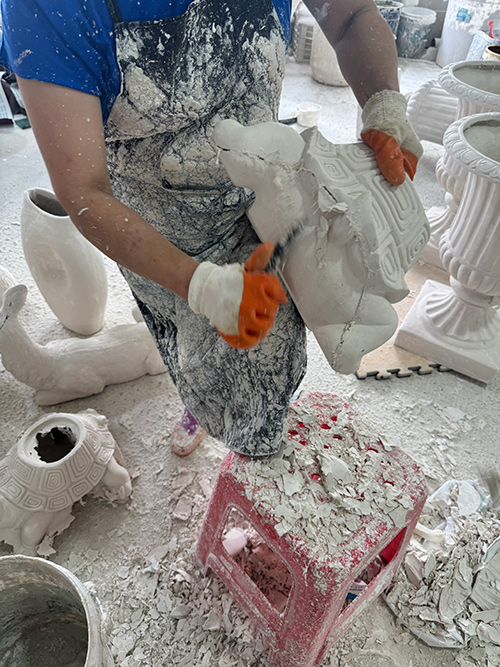
New policies under EU REACH regulations, U.S. EPA formaldehyde limits, and California Proposition 65 have raised material safety standards to an unprecedented level. Mass-produced resin crafts and decorative furniture accents can no longer meet updated compliance requirements, leading to listing removals, customs detentions, heavy fines, and long-term account risks for cross-border businesses. For furniture and home decor sellers, relying on conventional resin has become an unstable and high-risk choice in 2026 and beyond.
Traditional resin has long been a popular material for affordable decorative items, yet it carries inherent flaws that modern safety regulations can no longer overlook. Most standard resin formulations contain harmful chemical compounds, including BPA, high-level heavy metals, and polycyclic aromatic hydrocarbons. These substances trigger mandatory warning labels in Western markets and pose potential health risks for indoor living spaces through long-term chemical off-gassing.
Beyond health concerns, resin decor suffers from weak outdoor durability. Extended exposure to sunlight, rain, and temperature fluctuations causes fading, cracking, and structural damage, resulting in high return rates and poor customer satisfaction. The resin market is also heavily oversaturated, with fierce price competition that squeezes profit margins and limits brand differentiation for furniture retailers.
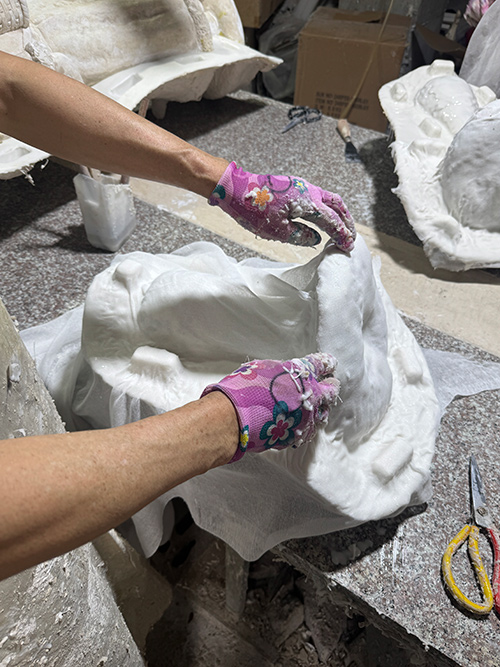
As regulatory pressure continues to tighten globally, businesses are searching for a reliable, safe, and cost-effective replacement for resin. High-Purity Pure Magnesia has emerged as the leading solution, designed to fully align with the latest EU and U.S. material compliance standards without sacrificing design quality or production flexibility.
Completely resin-free and free of toxic chemical additives, high-purity magnesia contains zero formaldehyde, no restricted heavy metals, and no hazardous volatile substances. It fully complies with REACH, EPA, and Proposition 65 guidelines, eliminating the need for toxic warning labels and removing all cross-border compliance risks. For furniture brands and Amazon home category sellers, this means stable store operations, safe customs clearance, and zero liability issues related to harmful materials.
In terms of application performance, magnesia delivers superior durability compared to traditional resin. It features strong weather resistance, UV stability, and frost resistance, making it ideal for indoor vintage furniture decor, living room accents, patio ornaments, and all-season garden decorations. The material replicates intricate vintage textures and detailed craftsmanship perfectly, offering a premium handcrafted aesthetic that elevates product value and retail pricing potential.
Lightweight yet structurally sturdy, magnesia reduces international shipping costs and minimizes transit damage, a critical advantage for cross-border furniture and home decor businesses. Unlike fragile resin or heavy cement alternatives, it balances quality, weight, and wear resistance to suit global logistics and long-distance wholesale distribution.
For furniture industry operators, the phase-out of low-grade resin has created a massive market gap. Consumers and retail buyers are increasingly prioritizing non-toxic, eco-friendly, and long-lasting home products. High-purity magnesia fills this demand perfectly, enabling brands to launch exclusive, low-competition product lines with healthy profit margins.
Furniture sellers can easily integrate magnesia decorative pieces with existing indoor furniture, outdoor patio sets, and home accessory collections. The versatile material supports custom styling, vintage design themes, and small-batch wholesale orders, adapting to both B2C retail demands and B2B long-term agency cooperation.
The global resin ban is not a temporary policy shift; it is a permanent industry upgrade. Resin materials will only face stricter inspections and higher compliance costs in the coming years, gradually losing market suitability in Western mainstream markets.
High-Purity Pure Magnesia is more than a simple alternative to resin. It is a sustainable, compliant, and high-quality material solution for the next era of global home and furniture decor. Businesses that adopt magnesia early will gain a first-mover advantage in a blue ocean market, avoiding homogenized competition and building a safe, high-profit, and future-proof product portfolio.
In a fast-paced world dominated by synthetic materials and minimalist designs, there is a growing yearning for the nostalgic, the weathered, and the storied. As we move through 2026, garden enthusiasts and landscape designers are shifting away from sterile metal and plastic. Instead, they are turning back the clock, seeking decor pieces that exude a sense of history, character, and organic permanence.
Enter retro Magnesia crafts—the undisputed breakout star of the 2026 garden decor scene.
From classical European-style angel statues to weathered Roman columns and distressed footed flowerpots, Magnesia (Magnesium Oxide/MGO) has quietly become the darling material of the premium vintage landscape market. But what makes this modern material so exceptionally suited for replicating the antique stone aesthetic of yesteryear, and why is it dominating the trends this year?
In this blog, we explore the timeless appeal of vintage Magnesia crafts and why they are the perfect investment for your outdoor sanctuary, home, or retail business in 2026.
1. The Aesthetic: Recreating the Weathered Antique Charm
True antiques tell stories through their imperfections—the subtle moss growth, the chipped edges, and the faded textures that only decades of exposure to the elements can produce.
Modern Magnesia crafts excel at recreating this distressed, weathered look with astonishing fidelity. Using advanced molding and hand-finishing techniques, manufacturers can mimic the exact appearance and feel of:
Aged Limestone and Granite:
- Capturing the porous, coarse texture of ancient European castle stones.
- Verdigris Bronze:
- Recreating the greenish-blue patina found on historical garden ironworks.
- Eroded Terracotta:
- Providing the warm, earthy look of rustic Mediterranean pots, minus the fragility.
Whether it’s a neoclassical French Girl Bust Statue gracing a living room mantelpiece or an antique-style Angel Ornament nestled among garden ferns, these pieces bring an instant layer of European romance and nostalgic depth to any space.

2. The Material: The Perfect Marriage of Strength and Practicality
While the aesthetic of heavy carved stone is highly desirable, the practical realities of shipping, moving, and maintaining solid stone or concrete are often prohibitive. This is where Magnesia shines.
Magnesium Oxide (MGO) compound is a robust, mineral-based material that offers several game-changing benefits over traditional stone, clay, or plastic:
Lightweight Yet Substantial
Magnesia crafts are significantly lighter than solid concrete or stone. This means you can easily rearrange your garden layout or move a large Roman Column Plinth from the patio to the indoor hallway without straining your back. For importers and online retailers, lighter weight also translates directly to reduced shipping and logistics costs.
All-Weather Durability (Weatherproof)
Unlike terracotta, which cracks in freezing temperatures, or plastics, which fade and degrade under intense UV rays, Magnesia is highly stable:
Frost-Resistant:
- Capable of withstanding freezing winters without cracking.
UV-Resistant:
- Colors and distressed finishes remain vibrant and do not peel or yellow under direct sunlight.
- Fire-Resistant & Eco-Friendly:
- MGO is naturally non-toxic, mold-resistant, and environmentally friendly.
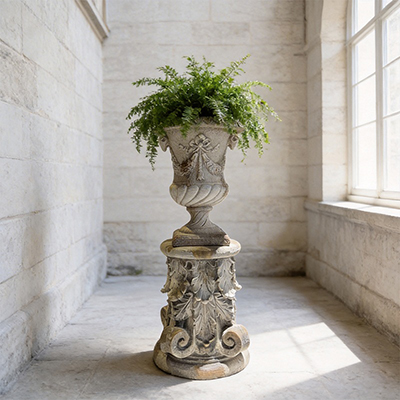
3. Styling Guide: How to Curate a Retro European Vibe
Integrating vintage Magnesia pieces into your decor can instantly elevate your space. Here are three classic styling ideas:
Idea A: The Secret English Garden
Transform a corner of your backyard into a romantic, overgrown sanctuary.
The Focal Point:
- Position an antique-style Roman Column Plinth under a climbing ivy wall.
The Companion:
- Place a Double-Ear Carved Flowerpot on top of the column, overflowing with cascading lavender or English roses.
The Detail:
- Tuck a distressed Angel Figurine partially behind some shrubbery to create a sense of discovery.
Idea B: The Neoclassical Mantelpiece
Bring the classic European salon aesthetic indoors.
The Base:
- Place a Vintage French Girl Bust Statue or a pair of retro Pine Cone Top Pillars on either end of your fireplace mantel.
The Contrast:
- Contrast the chalky, weathered white finish of the Magnesia with dark wood, brass candlesticks, and deep green foliage.
Idea C: The Regal Grand Entryway
Make a lasting first impression at your front door or foyer.
The Setup:
Flank your entrance with symmetrical High-Footed Cup-Shaped Flowerpots in a heavily distressed stone finish. Plant them with structured boxwood topiaries to combine formal structure with rustic charm.
Why Source Magnesia Crafts from Specialists?
If you are a boutique owner, a garden center buyer, or an e-commerce retailer, offering a curated line of retro Magnesia crafts is a powerful way to tap into the high-margin vintage decor niche.
At Quanzhou Dingsheng Gifts Co., Ltd., we specialize in high-quality Resin, Ceramic, and Magnesia crafts, blending historical artistry with modern manufacturing durability. Our extensive collection of European-style retro garden planters, columns, and figurines is designed to capture the imaginations of discerning decorators worldwide.
Explore our latest collections and bring timeless, weatherproof beauty to your market today.
Interested in bulk inquiries or custom retro finishes? Contact our design team today to discuss your next project!
Elevate Your Space with Timeless Neoclassical Elegance
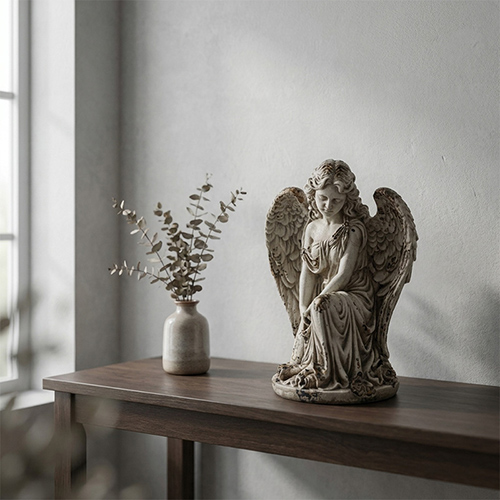
Key Features That Make This Angel Statue Stand Out
1. Authentic Vintage European Design & Craftsmanship
- Weathered Distressed Finish: The aged patina with subtle chipping and warm faded accents mimics the look of a centuries-old heirloom, giving each piece a unique, lived-in charm that feels like it’s been passed down through generations.
- Devotional Prayer Pose: The delicate female angel is captured mid-prayer, with hands clasped gently, eyes closed in quiet contemplation, and crowned with a floral wreath. The soft folds of her gown and intricately carved feathered wings add depth and movement, bringing a sense of quiet reverence to any space.
- Durable, Long-Lasting Build: Crafted from high-quality, weather-resistant materials, this statue is built to withstand outdoor elements while retaining its vintage charm—perfect for both indoor and outdoor use.
2. Versatile 15.55" Size for Every Setting
- Not too large to overwhelm indoor shelves or mantels, yet substantial enough to anchor garden vignettes.
- Perfectly proportioned to stand alone as a centerpiece or pair with other decor pieces like potted plants, vintage candlesticks, or natural stone accents.

Where to Style Your Neoclassical Angel Figurine
Indoor Home Decor
Outdoor Garden & Patio Decor
Why Choose This Prayer Angel Ornament for Your Home?
- Timeless Neoclassical Aesthetic: Unlike fast-fashion decor trends, this statue’s design draws from classic European art, ensuring it will remain a beloved piece in your home for years to come.
- Indoor & Outdoor Versatility: Built to withstand the elements, it transitions seamlessly from your living room mantel to your garden bed, making it a versatile investment for your decor.
- Sentimental & Decorative Value: Whether you’re gifting it to a loved one for a housewarming, baptism, or holiday, or adding it to your own collection, this angel statue carries a sense of peace, protection, and timeless beauty.
- Easy to Style: It complements a wide range of decor styles, including vintage, cottagecore, neoclassical, minimalist, bohemian, and traditional European aesthetics, making it a flexible addition to any space.
Final Thoughts: Bring Timeless Serenity to Your Home
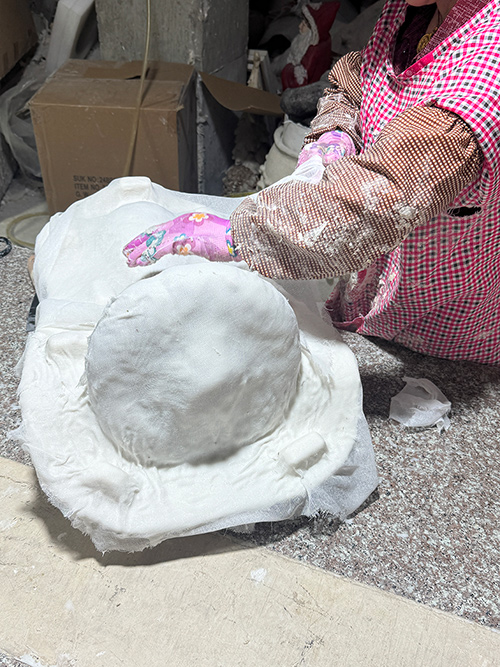
In the fast-paced modern life, more and more people are tired of monotonous trendy decorations and begin to pursue timeless retro aesthetics. Vintage home decor has gradually become a mainstream trend, and vintage magnesium oxide ornaments have stood out among countless decorative pieces, becoming the ideal choice to create warm and elegant living spaces.
Made of high-quality pure magnesium oxide material, these vintage ornaments are far superior to ordinary decorative crafts in texture and durability. The material is eco-friendly, non-toxic and odorless, fully complying with international environmental protection standards, safe enough to place in bedrooms, living rooms and even children’s activity areas. With excellent weather resistance and stable physical properties, they are not easy to crack, fade or deform, suitable for both indoor layout and outdoor garden, courtyard and patio decoration, maintaining a perfect vintage look for years.
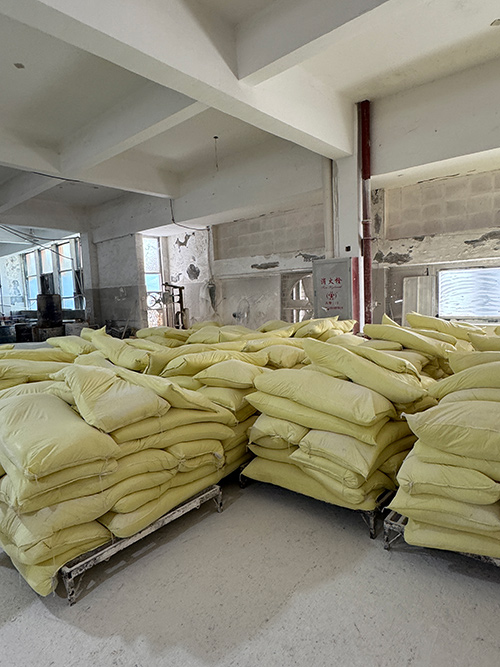
Every vintage magnesium oxide ornament is crafted with delicate workmanship, inheriting classic European and retro artistic styles. From retro character sculptures, classic architectural decorations to nostalgic pastoral-style ornaments, each piece carries unique artistic charm and retro sentiment. Unlike those flashy and short-lived decorations, their understated elegant design will never go out of style.
Whether your home is decorated in Nordic style, rural pastoral style, classical European style or simple light luxury style, these vintage ornaments can blend in perfectly. Placing them on the shelf, coffee table, entrance cabinet or garden corridor can instantly add a strong sense of classic atmosphere to the whole space, make the cold home full of warm retro charm, and show your unique taste in home decoration invisibly.
Apart from household decoration, these practical and beautiful vintage magnesium oxide ornaments are also widely applicable in cafes, homestays, hotels and commercial exhibition spaces. They are not only exquisite space decorations, but also high-quality wholesale handicrafts favored by global dealers. We support diversified styles and customized designs to meet different market and layout demands.
If you are looking for long-lasting, eco-friendly and stylish retro home decorations, vintage magnesium oxide ornaments will be your best pick. Let these classic craft pieces integrate elegant retro charm into every corner of your home, and let the timeless beauty accompany your daily life.
When choosing a watch, one of the most common questions buyers face is whether to go for a mechanical watch or a quartz watch. Both types have their own advantages, appeal to different audiences, and serve different purposes in today’s market. For brands like virtue watch and virtuetime, understanding this distinction is essential when communicating value to global B2B buyers and end consumers.
Mechanical watches are often associated with craftsmanship, tradition, and prestige. They are powered by intricate movements made up of hundreds of tiny components working together. These watches do not require batteries; instead, they rely on manual winding or automatic movement driven by the wearer’s wrist motion. This makes mechanical watches highly appealing to enthusiasts who appreciate engineering, heritage, and the artistry behind watchmaking. In many markets, especially in Europe and Japan, mechanical watches are seen as a symbol of status and long-term value.
On the other hand, quartz watches are powered by a battery and regulated by a quartz crystal oscillator. This technology allows for extremely accurate timekeeping with minimal maintenance. Quartz watches are typically more affordable, lightweight, and durable, making them ideal for mass production and everyday use. For large-scale retailers and promotional buyers, quartz watches remain the dominant choice due to their cost efficiency and reliability.
From a business perspective, the choice between mechanical and quartz watches often depends on target positioning. Mechanical watches are better suited for premium collections, brand storytelling, and higher-margin products. They allow companies like virtue watch to showcase manufacturing capability and design sophistication, especially in OEM and ODM projects. Quartz watches, however, are more suitable for fast-moving consumer goods, customized promotional items, and trend-driven designs, where speed to market and price competitiveness are key factors.
Another important factor to consider is customization. Quartz watches offer greater flexibility in design variations, including dial printing, case materials, and strap options. This makes them highly adaptable for IP collaborations, fashion brands, and seasonal collections. Mechanical watches, while customizable, usually require more development time and higher minimum order quantities due to the complexity of their movements.
In terms of user experience, mechanical watches provide a sense of emotional connection. The sweeping second hand, the visible movement in skeleton designs, and the need for regular winding all contribute to a more engaging ownership experience. Quartz watches, in contrast, focus on convenience and precision, offering a “set it and forget it” functionality that appeals to modern consumers with busy lifestyles.
For companies like virtuetime, offering both mechanical and quartz options is often the best strategy. This allows the brand to cover multiple market segments, from entry-level buyers to high-end collectors. It also provides flexibility when working with international clients who may have different preferences depending on their region and customer base.
Ultimately, there is no definitive answer to which type of watch is better. The right choice depends on the intended use, target audience, and brand positioning. Mechanical watches excel in craftsmanship and prestige, while quartz watches dominate in accuracy and affordability. By understanding these differences, buyers can make informed decisions, and manufacturers like virtue watch and virtuetime can better align their product strategies with market demand.
Meta Description:
Learn how to choose the perfect wall clock for Mediterranean-style interiors. Discover design tips, materials, colors, and sizing strategies to enhance warm, coastal-inspired spaces.
Introduction: Capturing the Mediterranean Spirit
Mediterranean interiors evoke warmth, sunlight, texture, and timeless charm. Inspired by coastal regions of Spain, Italy, Greece, and southern France, this design style blends rustic authenticity with relaxed elegance.
In such spaces, every decorative element contributes to the atmosphere—including the wall clock.
Choosing the right wall clock for a Mediterranean-style interior requires thoughtful attention to materials, color, proportion, and craftsmanship. When selected correctly, the clock enhances the space’s warmth and architectural rhythm.
1. Understanding Mediterranean Design Principles
Before selecting a wall clock, it is important to understand the key characteristics of Mediterranean interiors:
-
Earthy and sun-washed color palettes
-
Natural materials (wood, stone, wrought iron)
-
Arched doorways and textured walls
-
Terracotta tiles
-
Soft linen fabrics
-
Abundant natural light
Mediterranean spaces feel organic and handcrafted rather than sleek or ultra-modern.
A clock that feels overly futuristic or industrial may disrupt the balance.
2. Material Selection: Authenticity First
Material is one of the most critical factors.
Ideal material choices include:
Natural Wood
Warm oak, walnut, or light pine complement wooden beams and rustic furniture.
Wrought Iron or Matte Black Metal
Iron-framed clocks align beautifully with traditional Mediterranean architectural elements.
Stone or Cement Texture
For modern Mediterranean interpretations, textured surfaces add depth.
Avoid overly glossy plastic finishes, as they conflict with the handcrafted feel of the style.
Consumers drawn to Mediterranean design often appreciate craftsmanship and tactile authenticity.
3. Color Coordination
Mediterranean interiors revolve around warm, nature-inspired colors.
Recommended wall clock color palettes include:
-
Soft ivory
-
Warm beige
-
Sandy taupe
-
Terracotta
-
Muted olive green
-
Deep ocean blue
Pure white can feel too stark unless softened with wooden framing.
Clocks should harmonize with wall finishes and flooring rather than create high contrast.
In coastal-inspired spaces, blue-accented clocks can subtly echo sea elements without overwhelming the room.
4. Size and Proportion
Mediterranean homes often feature:
-
High ceilings
-
Thick plaster walls
-
Large open living areas
A small 25–30cm clock may appear visually insignificant.
Recommended sizing:
-
40–50cm for medium rooms
-
60–80cm for larger statement walls
Oversized skeleton clocks in iron or wood are especially effective in anchoring wide walls above fireplaces or sofas.
Proportion is essential to maintain visual balance.
5. Numeral Style and Typography
Mediterranean interiors lean toward classical elegance.
Roman numerals often work well in:
-
Traditional villas
-
Rustic farmhouse settings
-
Mediterranean-style restaurants
However, modern Mediterranean interiors may prefer:
-
Clean serif typography
-
Subtle minimalist numerals
-
Balanced spacing
Avoid overly digital or futuristic fonts, as they clash with the relaxed architectural tone.
6. Texture and Surface Detail
Flat surfaces feel less authentic in Mediterranean spaces.
Look for clocks featuring:
-
Distressed wood finishes
-
Brushed metal
-
Hand-painted textures
-
Slightly weathered effects
These details add character and align with the organic nature of the style.
Texture interacts beautifully with natural sunlight, creating subtle shadow depth throughout the day.
7. Lighting Considerations
Mediterranean interiors rely heavily on natural daylight.
Clocks placed near windows or in sunlit rooms should:
-
Avoid glare-heavy glass
-
Use matte protective covers
-
Maintain strong readability in bright environments
For evening ambiance, soft backlit clocks with warm LED tones can complement candlelight or warm pendant lighting.
Avoid harsh blue-toned lighting in this context.
8. Silent Performance for Relaxed Living
Mediterranean interiors emphasize relaxation.
Whether in vacation homes or permanent residences, quiet comfort is central.
Silent sweep movements are highly recommended to prevent ticking sounds from disturbing the tranquil atmosphere.
9. Balancing Rustic and Modern Interpretations
Mediterranean design today comes in two main variations:
Traditional Mediterranean
-
Heavier wood
-
Iron accents
-
Roman numerals
-
Textured surfaces
Modern Mediterranean
-
Lighter wood tones
-
Cleaner shapes
-
Minimal detailing
-
Subtle integrated lighting
Wall clock selection should align with the specific interpretation of the space.
10. Commercial Applications
Mediterranean-style wall clocks are particularly popular in:
-
Boutique hotels
-
Coastal cafés
-
Mediterranean restaurants
-
Vacation rentals
-
Resort properties
For B2B buyers, durable materials and stable mechanisms are critical due to higher usage frequency.
Design consistency across multiple rooms also strengthens brand identity.
11. Emotional & Lifestyle Impact
Mediterranean interiors evoke:
-
Leisure
-
Warmth
-
Slow living
-
Hospitality
A carefully selected wall clock reinforces these emotions.
Rather than acting as a stark functional tool, it becomes part of the room’s story.
Conclusion: Timeless Warmth Meets Functional Design
Choosing the perfect wall clock for Mediterranean-style interiors requires sensitivity to material, proportion, and tone.
The ideal clock will:
-
Complement warm color palettes
-
Use authentic materials
-
Maintain silent functionality
-
Enhance architectural features
When thoughtfully integrated, the wall clock becomes more than a timekeeping device.
It becomes a quiet celebration of relaxed elegance and timeless design.
Finding the right laptop backpack manufacturer is one of the most critical decisions for any B2B buyer. Whether you're a brand owner launching a new product line, a wholesaler expanding your catalog, or a retailer looking for private-label options — partnering with a proven factory directly impacts your product quality, delivery reliability, and profit margins.
This guide walks through the key factors you need to evaluate when sourcing laptop backpacks from China, including factory audit standards, MOQ considerations, material options, and quality control processes.
1. Factory Audit & Compliance Certifications
Before placing an order, verify the factory's compliance credentials. Reputable manufacturers should hold at least one internationally recognized social compliance audit. Common certifications include:
- BSCI (Business Social Compliance Initiative) — widely accepted across European markets
- Sedex / SMETA — required by many UK and EU retailers
- Disney & Nike Audit — gold-standard factory compliance benchmarks
These audits ensure the factory operates under ethical labor conditions and maintains safety standards. Don't hesitate to ask for their audit certificates — a serious manufacturer will provide them without delay.
Red Flags to Watch Out For:
- No verifiable factory address or trading company posing as a manufacturer
- Vague or delayed responses about certifications
- Photos that look too generic or stock images
2. Minimum Order Quantity (MOQ) — What to Expect
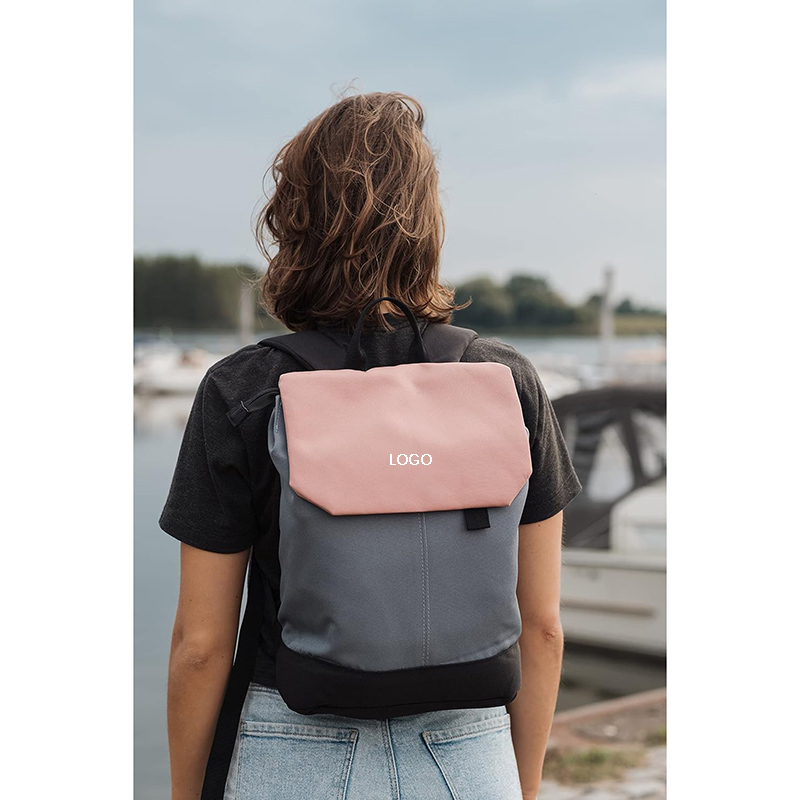
MOQ is often the first roadblock for new buyers. Here's a realistic range for laptop backpack production:
| Buyer Type | Typical MOQ | Strategy |
|---|---|---|
| Startup / Small brand | 300–500 pcs per SKU | Look for factories offering low MOQ as trial order |
| Mid-size brand | 500–1000 pcs per SKU | Mix multiple SKUs in one container |
| Large retailer / Chain | 2000+ pcs per SKU | Direct factory pricing with custom designs |
Some experienced manufacturers offer mixed MOQ — combining several designs to reach the total quantity. This is especially helpful for testing new markets without overcommitting.
Pro tip: Ask if the factory can do one sample run (100–200 pcs) before scaling up.
3. Material Selection — From Standard to Premium
The right material defines your product's look, feel, and price point. Laptop backpacks commonly use:
| Material | Pros | Best For |
|---|---|---|
| Nylon (1680D / 600D) | Lightweight, water-resistant, durable | Mid-range travel backpacks |
| Polyester (600D / 900D) | Affordable, good color retention | Budget-conscious designs |
| Canvas | Vintage aesthetic, strong, eco-vibe | Fashion-forward / lifestyle brands |
| PU Leather | Professional appearance, wipe-clean | Executive / business laptop bags |
| RPET Recycled Fabric | Eco-friendly, premium storytelling | Sustainability-focused brands |
Important: RPET (recycled polyethylene terephthalate) fabric is no longer optional for serious European buyers — it's becoming a baseline requirement. If your target market is EU or UK, ask your factory about RPET options.
4. The Must-Have Features Buyers Are Looking For
Based on current market trends, laptop backpacks that sell well typically include:
- Padded laptop compartment (fit up to 15.6" or 17.3")
- USB charging port with built-in cable (power bank not included)
- TSA-friendly design or luggage strap for travel
- Anti-theft back pocket for passports and wallets
- Waterproof / rain cover for weather protection
- Ergonomic S-curve shoulder straps for comfort
- Multiple organization pockets for charger, tablet, documents
5. Quality Control — AQL Standards Explained
Ask your manufacturer what AQL (Acceptable Quality Limit) standard they follow. Industry standard for backpacks is:
- AQL 2.5 for major defects (functionality issues)
- AQL 4.0 for minor defects (stitching, loose threads, slight color variation)
A reliable factory should offer:
- Pre-production sample approval before mass production
- In-line inspection during production (optional third-party)
- Final random inspection before shipment
6. Production Lead Time & Logistics
Standard production timeline for laptop backpacks:
| Phase | Typical Duration |
|---|---|
| Sample development | 7–15 days (rush available) |
| Material sourcing | 5–10 days |
| Bulk production (per SKU) | 30–45 days |
| Quality inspection | 2–3 days |
| Shipping (sea freight to US) | 25–35 days (depending on port) |
Plan your orders with these timelines in mind. Lead times extend during peak season (August–October for holiday rush).
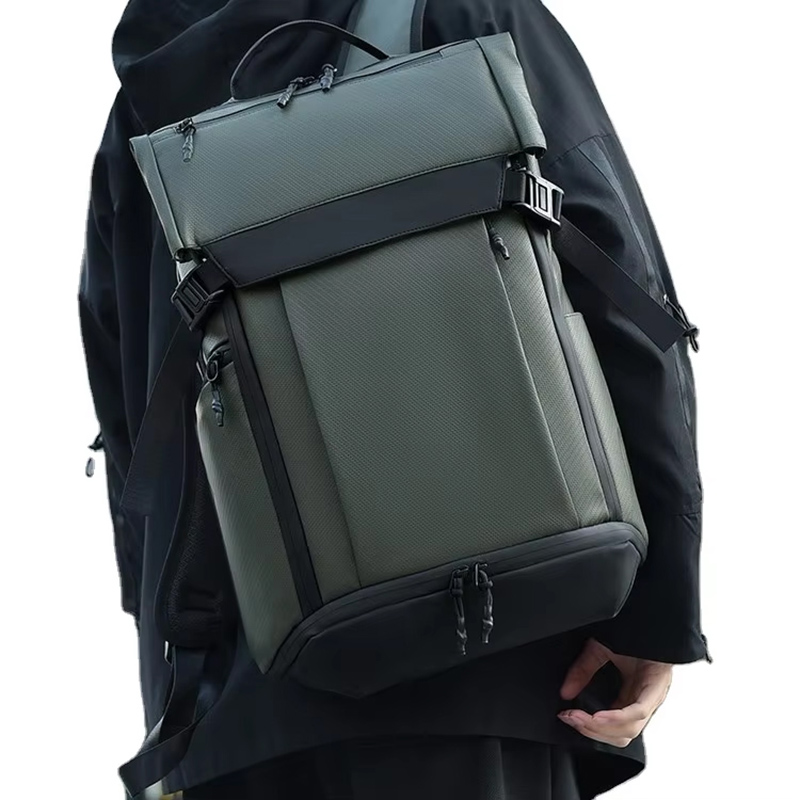
7. Why Experience Matters — A Closer Look at Chinese Manufacturing
Established manufacturers with 15+ years of experience bring several advantages:
- Design & prototyping capabilities: They can turn your sketch or reference photo into production-ready samples
- Supply chain stability: Long-term relationships with fabric, zipper, and hardware suppliers mean better pricing and fewer delays
- Export experience: Familiarity with customs documentation, labeling requirements, and shipping logistics across different markets
When evaluating a factory, ask for client references or case studies — not just product photos.
8. Common Sourcing Mistakes to Avoid
- ❌ Choosing price over quality — The cheapest quote often hides compromised materials or poor workmanship
- ❌ Not requesting physical samples — Photos can be misleading; hold the product in your hands
- ❌ Ignoring communication responsiveness — Slow replies during pre-sales often predict poor post-sales support
- ❌ Skipping social compliance audits — Major retailers will reject your shipment without proof of ethical manufacturing
Final Thoughts
Sourcing multifunctional laptop backpacks from China doesn't have to be complicated. By focusing on factory credentials, realistic MOQs, material options, and quality control processes, you can find a manufacturing partner that grows with your business.
The best relationship is built on transparency — ask questions, request samples, visit the factory if possible, and you'll build a supply chain that gives you a competitive edge.
✍️ About the Author
This guide is brought to you by Panway Design — an experienced laptop backpack and bag manufacturer based in Fujian, China, established in 2005. With BSCI, Sedex, Disney & Nike audit compliance, we help brands and businesses bring their bag designs to life. Contact us for a quote or free sample evaluation.