Introduction: The Tipping Point for Global Packaging
As the calendar turns to 2026, the global packaging industry finds itself at a historic crossroads. What were once voluntary sustainability commitments have morphed into hard, punitive legal frameworks. From the European Union' s Circular Economy Action Plan to the stringent bans emerging from California and Southeast Asia, the regulatory landscape is shifting beneath the feet of manufacturers and brands alike.
For a company like GuangZhou Guyin Packaging, understanding these shifts is not just about compliance—it is about survival and leadership in the B2B packaging market. This comprehensive guide explores the primary regulations taking effect in 2026 and provides a roadmap for brands to stay ahead of the curve.
1. The EU’s PPWR: A Paradigm Shift
The European Union’s Packaging and Packaging Waste Regulation (PPWR) is arguably the most influential piece of legislation in this sector. By 2026, the transition period for several key mandates is ending.
The "All Packaging Must Be Recyclable" Mandate
Under the PPWR, any packaging placed on the EU market must be designed for recycling at scale. This means that multi-layer laminates—common in snacks and beauty products—are being phased out in favor of monomaterials.
- The Impact: Brands must now prove "recyclability" via standardized scoring systems. If your perfume box uses a plastic coating that interferes with the pulping process of the cardboard, it could be banned or hit with heavy eco-taxes.
Mandatory Recycled Content
The EU is also mandating minimum levels of post-consumer recycled (PCR) content in plastic packaging. By 2030, the targets are aggressive, but 2026 is the year brands must finalize their supply chain transitions to secure high-quality PCR resin, which is currently in high demand.
2. North America: The Rise of EPR and SB 54
In the United States, federal legislation has lagged, but states like California, Oregon, and New York are leading the charge with **Extended Producer Responsibility (EPR)** laws.
California' s SB 54 (The Plastic Pollution Prevention Act)
This law requires that by 2032, all packaging in the state must be recyclable or compostable. However, 2026 is a critical milestone year for data reporting and producer responsibility organization (PRO) registration.
- The Compliance Hurdle: Companies must track the weight and material type of every piece of packaging sold into California. Failure to join a PRO or meet reduction targets can result in fines of up to $50,000 per day.
3. Southeast Asia: The Ban on Single-Use Plastics
Countries like Thailand, Vietnam, and Malaysia are no longer just "the world’s waste bin." They are implementing their own bans on non-biodegradable plastics to protect their marine ecosystems.
- Retail Impact: Traditional plastic shopping bags and thin-film wrappers are being replaced by high-durability kraft paper bags and PLA-coated containers.
- B2B Opportunity: For suppliers in Guangzhou, this represents a massive export opportunity for paper-based alternatives that meet these local standards.
4. Technical Compliance: Beyond the Surface
Staying compliant isn't just about changing "Plastic" to "Paper." It’s about the chemistry of the packaging.
PFAS (The "Forever Chemicals") Ban
In 2026, many regions are enforcing a total ban on PFAS in food packaging. These chemicals were traditionally used to make paper grease-resistant.
- The Solution: Brands must switch to aqueous (water-based) barrier coatings. At EcoInkHub, we are already testing seaweed-based and mineral-based coatings that provide the same grease resistance without the environmental toxicity of PFAS.
Ink and Adhesive Safety
Inks are under the microscope. Petroleum-based inks are being replaced by Soy-based or Vegetable-based
alternatives. Adhesives must now be "wash-off" friendly to ensure they don't contaminate the recycling stream for PET bottles or paper pulp.
5. Strategic Roadmap for Brands
How can a brand ensure they don't get caught in the 2026 "Compliance Trap"?
Step 1: Material Audit
Conduct a full audit of your current SKUs. Identify "Red Flag" materials:
* Non-recyclable multi-layer films.
* Plastic inserts in rigid boxes (replace with molded pulp or die-cut cardboard).
* Non-FSC certified paper.
Step 2: Certification Verification
Don't just take a supplier's word for it. Request documentation for:
- FSC (Forest Stewardship Council): Ensures paper comes from responsibly managed forests.
- GRS (Global Recycled Standard): For PCR content verification.
- SGS/TUV Compostable Certs: For any "compostable" claims.
Step 3: Redesign for the Circular Economy
Work with design experts at EcoInkHub to simplify your packaging. Could a magnetic closure box be redesigned using a paper-based lock mechanism to avoid magnets? Could a plastic window be replaced by a cut-out or a cellulose-based film?
Conclusion: Compliance as a Competitive Advantage
The 2026 regulations are not just a hurdle; they are a filter. Brands that fail to adapt will be filtered out by law or by conscious consumers. Brands that embrace these changes early will find themselves with lower eco-taxes, better shelf placement, and a stronger bond with the 2026 consumer who views sustainability as a non-negotiable trait.
As your partner in packaging, EcoInkHub is dedicated to ensuring your products are not only beautiful but also globally compliant. The future of packaging is clear, and it is 100% circular.
For more information on compliant packaging solutions, visit our [Product Catalog].
In a world of LinkedIn connections and digital contact sharing, you might wonder whether business cards still matter. The answer is an emphatic yes -- but only if yours stand out. A well-crafted Custom Business Cards set is a tangible representation of your professional identity, and the right combination of material, finish, and design can leave a lasting impression that opens doors. Whether you're a freelancer, startup founder, or established enterprise, investing in premium business card printing is one of the highest-ROI marketing decisions you can make.
Material Selection: The Foundation of Quality
The paper stock you choose communicates quality before the recipient even reads a word. Standard 350gsm coated stock is the industry baseline -- smooth, printable, and cost-effective. For a noticeable upgrade, consider 400-450gsm thick cardstock that feels substantial in hand. Premium options include cotton paper for a textured, luxury feel favored by creative professionals, and synthetic PVC cards for waterproof durability, ideal for outdoor industries. Some brands experiment with unconventional materials like wood veneer, bamboo, or recycled cardboard to make a bold sustainability statement. The key is aligning your material choice with your brand personality and target audience expectations. When ordering Bulk Business Cards, it is wise to request material swatches first to evaluate texture, weight, and print reception in person.
Finishing Techniques That Create Impact
Finishing techniques are what separate forgettable cards from ones people keep. Custom Business Cards with spot UV coating create a striking contrast between glossy and matte surfaces, drawing attention to your logo or key information. Foil stamping in gold, silver, copper, or holographic adds a touch of luxury that catches light beautifully. Embossing raises your design elements for a tactile experience, while debossing creates elegant recessed impressions. Rounded corners soften the look for creative industries, while sharp cut edges convey precision and professionalism. Combining two or more finishing techniques -- like matte lamination with gold foil and spot UV -- creates a multi-sensory experience that commands attention. For a truly distinctive look, explore Premium Business Cards that combine embossed logos with soft-touch lamination for a velvety surface feel.
Design Principles for Maximum Effectiveness
Great business card design balances aesthetics with functionality. Start with a clear hierarchy: your name and title should be the most prominent elements, followed by contact details and brand identity. Use high-resolution logos and vector graphics to avoid pixelation during printing. Leave adequate white space -- cluttered cards feel amateurish and are harder to read. Consider double-sided printing to maximize information density without overcrowding one face. For tech-forward brands, adding a QR code that links to your portfolio, calendar booking, or social media bridges the physical-digital gap seamlessly. Test print samples before full production runs to verify color accuracy and finish quality.
Specialty Shapes and Innovative Formats
Breaking away from the standard rectangular format instantly grabs attention and demonstrates creative thinking. Circular cards, mini cards, fold-out cards, and cards with die-cut shapes related to your industry all serve as memorable conversation starters. Transparent PVC cards offer a futuristic, edgy aesthetic popular with tech and design firms. Some brands take it further with functional cards that include ruler measurements, puzzle pieces, or foldable designs. While specialty formats typically carry higher production costs, the memorability factor and social media shareability often justify the investment for brands looking to differentiate in crowded markets. Innovative formats also tend to generate higher retention rates -- recipients are far more likely to keep a uniquely shaped card in their wallet than a standard rectangle.
At EcoInkHub, we specialize in producing Custom Business Cards that reflect your brand's unique identity and make a powerful first impression. With a wide range of materials, finishes, and specialty options available, our team helps you design cards that people actually want to keep. Get in touch to discuss your requirements and receive a personalized quote tailored to your brand needs.
Custom commemorative stamps have evolved from their traditional postal origins into powerful collectible items, event souvenirs, and brand marketing tools that blend artistic expression with cultural significance. Whether you are an event organizer planning a corporate anniversary, a brand launching a limited-edition product line, a collector seeking unique philatelic items, or a government agency commissioning official postage stamps, custom Commemorative Stamps offer a compact yet highly impactful medium for storytelling, brand promotion, and cultural celebration. The global custom stamp market has expanded dramatically in recent years, driven by advances in digital printing technology, growing interest in collectible merchandise, and the rising demand for personalized brand experiences that go beyond conventional packaging and advertising formats. This complete guide covers every facet of custom commemorative stamp production, from conceptual design and artwork preparation through printing technologies, paper stock selection, perforation engineering, and premium presentation packaging -- providing the detailed knowledge required to execute stamp projects that achieve both commercial success and artistic excellence that collectors will treasure and display with pride for years to come.
Design Philosophy: Crafting Visual Narratives That Resonate With Collectors
The design of a successful Custom Commemorative Stamps collection requires careful balance between artistic creativity, thematic coherence, and technical feasibility within the extremely limited canvas of a single stamp. Traditional stamp design follows established conventions including denomination placement, country or issuer identification, perforated edges, and standardized dimensions that collectors expect and recognize. However, modern custom stamp production offers considerable flexibility to deviate from these conventions, enabling brands and event organizers to create uniquely shaped stamps, die-cut formats, and oversized souvenir sheets that capture attention and differentiate their offerings in crowded markets. Effective stamp design begins with a clear thematic concept that unifies the entire collection, whether that theme celebrates a historical milestone, promotes a brand campaign, honors a cultural tradition, or commemorates a special event. Color palette selection plays a particularly critical role in stamp design, as the small format demands high-contrast visuals that remain legible and attractive at miniature sizes. Gold foil accents, spot UV highlights, and embossed details add tactile luxury that transforms simple paper squares into collectible treasures that collectors display, trade, and preserve with enthusiasm. For brand-driven commemorative stamp projects, integrating logo elements, brand colors, and corporate messaging seamlessly into the artistic composition requires skilled graphic design that avoids the appearance of crude advertising while maintaining clear brand association that drives marketing effectiveness. Successful brand stamp campaigns often incorporate interactive elements such as QR codes printed on the stamp border that link to exclusive digital content, augmented reality experiences, or brand storytelling videos -- transforming a static collectible into a dynamic brand engagement platform that bridges physical and digital customer touchpoints. Limited edition numbering, serial certification, and collector authentication cards further enhance the perceived value and investment potential of custom commemorative stamp releases, creating compelling reasons for consumers to purchase and preserve these miniature works of art.
Printing Technologies for High-Quality Stamp Production
The printing technology selected for Custom Commemorative Stamps production directly determines image sharpness, color fidelity, tactile effects, and overall collector appeal. Lithographic offset printing remains the gold standard for mass-produced commemorative stamp runs, delivering exceptional detail resolution and consistent color reproduction across millions of individual stamps with registration tolerances measured in microns. This method is particularly well-suited for traditional rectangular stamp sheets that feature intricate line art, fine typography, and complex multi-color illustrations that require precise color layering. Gravure printing offers an alternative for ultra-high-volume stamp production where deep, rich color saturation and smooth tonal gradations are prioritized, commonly used for official government postage stamps that demand the highest level of security and visual quality. Digital printing has revolutionized the custom stamp market by enabling short-run production with zero plate costs, making it economically viable for event organizers, brands, and collectors to produce limited-edition stamp runs of as few as fifty to one hundred pieces. This flexibility opens entirely new market possibilities for personalized commemorative stamps that feature custom artwork, individual names, dates, or unique designs that would be impossible to justify under traditional offset printing economics. Intaglio printing, the traditional method used by national postal services for security-sensitive postage stamps, creates raised ink surfaces with distinctive tactile qualities that serious philatelists prize and authenticate through touch alone. Micro-perforation techniques enable manufacturers to create invisible registration marks within stamp sheets that assist automated sorting and counting equipment during high-speed production runs, ensuring consistent quality and reducing waste. Some advanced stamp manufacturers employ laser engraving technology to create three-dimensional surface textures directly on the stamp face, producing depth and shadow effects that simulate engraved printing without the cost and time requirements of traditional intaglio processes. These technological innovations continue to push the boundaries of what is possible in custom stamp production, enabling brands to create truly unique collectible products that stand apart from conventional printed materials. Custom Stamp Printing projects that incorporate multiple printing techniques -- such as offset base printing combined with digital variable data printing for personalized elements and foil stamping for decorative accents -- achieve the highest collector appeal by combining the strengths of each technology into a single premium product. The structural integrity of the stamp sheet during distribution must also be considered, with manufacturers employing reinforced sheet backing, protective interleaving tissue, and climate-controlled storage during transit to prevent moisture damage, corner crushing, or surface scratching that diminishes collector appeal and retail presentation quality. Some premium stamp manufacturers also offer specialized protective storage solutions including acid-free archival sleeves, humidity-controlled display cases, and UV-protective overlays that preserve collector-grade stamp sheets in museum-quality condition for decades of enjoyment and investment appreciation.
Paper Stock, Perforation, and Security Features
The physical construction of commemorative stamps involves multiple technical decisions that affect both the aesthetic qualities and the functional performance of the final product. Paper stock selection is the first critical decision, with traditional gummed stamp paper featuring a water-activated adhesive coating on the reverse that allows stamps to be affixed to mail while remaining collectible in pristine condition when stored in album pages. Self-adhesive stamp backing has gained popularity for custom and promotional stamp projects, offering convenient peel-and-stick application without requiring moisture activation and enabling attachment to diverse surfaces beyond traditional mail. Specialty paper stocks including textured cotton papers, metallic-finished papers, and translucent vellum create distinctive tactile and visual effects that distinguish premium commemorative stamp editions from standard productions. Perforation patterns serve both functional and decorative purposes, with traditional toothed perforations enabling easy separation of individual stamps from sheets while also contributing to the iconic visual identity that stamp collectors immediately recognize. Custom perforation shapes -- including circular, star-shaped, or irregular die-cut edges -- add unique character to commemorative stamp designs and create conversation-starting collectible pieces that stand apart from conventional rectangular formats. For Commemorative Stamps targeting the security-conscious collector market, advanced anti-counterfeiting features including micro-printing, UV-reactive inks, holographic overlays, and serialized numbering provide authentication guarantees that protect collector investment and maintain the integrity of limited-edition stamp releases. Some manufacturers also incorporate invisible ink markings visible only under ultraviolet light, creating an additional layer of security that distinguishes genuine collector editions from unauthorized reproductions circulating in secondary markets.
Souvenir Sheets, Minisheets, and Presentation Packaging
Commemorative stamp collections are typically presented in formats that extend beyond individual stamp sheets to include souvenir sheets, minisheets, presentation packs, and deluxe collector albums that significantly enhance the perceived value and marketability of custom stamp projects. Souvenir sheets feature one or more stamps surrounded by elaborate decorative borders that provide additional space for thematic artwork, issuer information, and commemorative text, creating a framed presentation that collectors display prominently in albums and on walls. Minisheets contain multiple stamps arranged in grid formations with coordinated thematic designs that tell broader stories than individual stamps can convey, making them ideal for brand campaigns that wish to showcase multiple product lines, event sponsors, or campaign messages simultaneously. Presentation packs combine selected stamps with descriptive information sheets, certificate of authenticity documents, and collector notes that educate recipients about the significance and production details of the commemorative issue. Deluxe collector albums bound in leather or linen-covered boards with archival-quality storage pages provide premium packaging for high-value stamp series that target serious philatelic collectors willing to invest in complete collection sets. The choice of presentation format directly influences pricing strategy, collector appeal, and brand communication effectiveness, with Custom Stamp Printing projects that offer multiple presentation options at different price points maximizing market reach across casual collectors, enthusiastic hobbyists, and premium investment-grade collectors.
At EcoInkHub, we provide end-to-end support for brands and event organizers pursuing Custom Commemorative Stamps that align with their creative vision and production requirements. Our experienced team guides clients through every stage of the stamp development lifecycle, from initial concept and artwork preparation through printing technology selection, material sourcing, presentation packaging design, and global delivery coordination. Contact us today to explore how our custom commemorative stamp solutions can bring your brand story to life and create collectible pieces that resonate with audiences worldwide.
In 2026, consumers are voting with their wallets, and sustainability is winning. Across fashion, food, cosmetics, and specialty retail, brands are rapidly transitioning away from single-use plastics in favor of Eco Paper Bags that communicate environmental responsibility without sacrificing aesthetic appeal or functional performance. For independent store owners, emerging brands, and established enterprises alike, custom printed paper bags have evolved from a simple utility into a powerful competitive advantage that drives customer loyalty and brand recognition. This comprehensive guide covers every aspect of eco paper bag production, from raw material sourcing and paper stock selection through handle engineering, printing technologies, finishing techniques, and strategic sizing decisions. Whether you are evaluating your first packaging redesign or scaling production for a global retail operation, understanding the nuances of sustainable packaging choices will help you make informed decisions that align with both your brand identity and your environmental commitments.
Material Selection: The Foundation of Sustainable Packaging Solutions
Not all paper bags are created equal, and the choice of raw material fundamentally shapes both the environmental profile and the commercial viability of your packaging strategy. The most widely adopted option is kraft paper, which derives its characteristic brown hue from the natural lignin retained during mechanical pulping. This unbleached material offers an earthy, organic aesthetic that resonates strongly with eco-conscious consumers and artisanal brands positioning themselves around authenticity and natural ingredients. White coated paper represents the second major category, featuring a clay-coated surface that delivers exceptional printability and brightness, making it ideal for brands that require vibrant full-color reproduction of logos, photographs, and intricate design elements. Recycled paper blends occupy a third position, incorporating post-consumer waste fiber to reduce virgin material consumption while maintaining acceptable structural integrity and print quality. The GSM specification -- grams per square meter -- serves as the primary indicator of bag strength and durability. Lightweight applications such as boutique accessories and small cosmetics perform adequately with 120-150 GSM stock, while grocery-scale retail, apparel, and bulk merchandise demand 200 GSM or higher to prevent tearing and handle weight distribution effectively. When evaluating Sustainable Packaging Solutions, brands should also consider certifications such as FSC (Forest Stewardship Council) and PEFC (Programme for the Endorsement of Forest Certification), which provide third-party verification that paper fibers originate from responsibly managed forests. These certifications increasingly influence purchasing decisions among environmentally aware consumers and can serve as differentiators in crowded marketplaces.
Handle Engineering: Balancing Comfort, Durability, and Brand Expression
The handle represents the single most important tactile interface between a customer and their purchased product, making handle engineering a critical component of Custom Printed Paper Bags design strategy. Twisted paper handles remain the most popular choice across fashion and specialty retail segments, delivering a classic, premium feel that evokes heritage brands and artisanal craftsmanship. These handles are constructed by twisting multiple strands of paper cord together, creating a rope-like structure that distributes weight evenly across the customer's grip. Flat cotton rope handles represent a growing alternative, particularly among brands that emphasize natural materials and sustainable sourcing narratives. Cotton offers superior comfort during extended carrying periods and reinforces an eco-conscious brand identity that resonates with millennial and Gen-Z demographics. Die-cut handles, formed by precisely cutting handle shapes directly from the bag body, create a clean, minimalist silhouette that appeals to contemporary lifestyle brands and modern design aesthetics. Each handle type presents unique customization opportunities that extend beyond mere functionality. Branded paper inserts threaded through the handle channel can display slogans, social media handles, or promotional messaging. Wax seals applied to handle junctions add a touch of luxury and ceremony to the unboxing moment. Custom hang tags attached to handles provide product information, care instructions, or warranty details while simultaneously reinforcing brand presence. When sourcing Wholesale Paper Bags for large-scale retail operations, brands should consider ordering handle samples in multiple configurations to conduct real-world stress testing before committing to full production volumes.
Printing Technologies and Surface Finishing Techniques
Modern printing capabilities have transformed paper bags from utilitarian containers into sophisticated brand communication vehicles capable of reproducing photographic-quality imagery with exceptional color fidelity and registration accuracy. Offset lithography remains the dominant technology for high-volume production runs, offering the lowest per-unit cost when manufacturing quantities exceed five thousand units. This method excels at reproducing rich, solid color fields and complex multi-color designs with consistent quality across the entire print run. Digital printing has emerged as the preferred solution for shorter runs and rapid prototyping, eliminating the need for physical plates and enabling variable data printing where each bag can carry unique codes, names, or personalized messaging. Both technologies benefit enormously from advances in ink chemistry, particularly the development of water-based and soy-based inks that deliver vibrant color output while maintaining full recyclability of the printed substrate. Surface finishing techniques add another dimension of brand expression and sensory engagement. Spot UV coating applied selectively to logos, typography, or graphic elements creates a glossy contrast against matte paper surfaces that draws the eye and elevates perceived product value. Foil stamping using hot-press transfer technology deposits thin metallic films in gold, silver, rose gold, copper, or holographic finishes that catch ambient light and create visual impact. Embossing and debossing manipulate paper fiber through die pressure to create raised or recessed textures that invite tactile interaction. Soft-touch lamination applies a velvet-like polymer coating that transforms the bag surface into an exceptionally pleasant handling experience. Custom Shopping Bags that combine multiple finishing techniques -- such as matte lamination with gold foil accents and spot UV logo treatment -- achieve a multi-sensory brand experience that customers remember long after the transaction concludes.
Size and Configuration for Different Retail Needs
One size rarely accommodates all retail scenarios, and strategic sizing decisions directly impact both customer satisfaction and operational efficiency throughout the supply chain. Small format bags measuring approximately 15x20 centimeters serve jewelry retailers, accessory shops, and cosmetic counters where product dimensions are compact and presentation quality matters intensely. Medium-sized bags in the 25x30 centimeter range accommodate apparel items, book purchases, gift sets, and multi-item retail combinations that require moderate protection and carrying capacity. Large format bags exceeding 35x40 centimeters address winter clothing purchases, bulk merchandise orders, and heavy product categories that demand substantial structural support. Progressive retail brands frequently adopt a tiered sizing strategy, offering customers multiple size options that correspond to purchase value tiers, thereby creating an incentive structure that encourages higher spending to access more premium packaging presentations. Beyond external dimensions, internal configuration options significantly enhance the functional value proposition of each bag. Foldable dividers inserted between product compartments prevent abrasion and scratching during transport. Interior pockets accommodate loose accessories, receipt holders, or promotional materials without requiring additional packaging components. Tissue paper wrapping layers add a ceremonial unboxing element that elevates the perceived gift quality even for self-purchased items. Gusseted bottom panels expand bag capacity while maintaining structural rigidity under load. Brands that invest time in understanding their customers purchase patterns and product dimensions can optimize bag configurations to minimize material waste while maximizing the protective and experiential qualities that drive repeat business and positive word-of-mouth referrals.
Environmental Impact Assessment and Lifecycle Analysis
Understanding the complete environmental lifecycle of Eco Paper Bags production enables brands to make substantiated sustainability claims that withstand consumer scrutiny and regulatory review. Life cycle assessment studies consistently demonstrate that paper bags produce significantly lower greenhouse gas emissions and generate less persistent environmental pollution than plastic alternatives when manufactured from recycled content and processed through certified recycling facilities. The carbon footprint of paper bag production can be further reduced through strategic supplier selection, choosing manufacturers that operate renewable energy-powered facilities and implement closed-loop water recycling systems during the pulping and bleaching processes. Transportation emissions represent another significant lifecycle consideration, with brands optimizing bag design to maximize pallet utilization and minimize empty space during shipping to reduce the number of container loads required for global distribution. Some forward-thinking manufacturers are experimenting with carbon-negative production processes that sequester more carbon dioxide during paper fiber cultivation than is emitted during manufacturing and distribution, creating packaging products that actively contribute to atmospheric carbon reduction rather than merely minimizing harm. Brands that publish environmental impact reports documenting their paper bag sustainability achievements demonstrate transparency and accountability that resonate strongly with increasingly environmentally conscious consumer demographics.
At EcoInkHub, we provide end-to-end support for brands pursuing Custom Printed Paper Bags that align with their sustainability objectives and brand identity standards. Our experienced team guides clients through every stage of the packaging development lifecycle, from initial concept and material selection through prototype sampling, production management, and global delivery coordination. Contact us today to explore how our custom eco paper bag solutions can elevate your brand presence across every retail touchpoint.
In the competitive world of fragrances, packaging is not merely a container — it's the first impression, the silent ambassador, and the unboxing experience that turns a simple purchase into a memorable moment. Among all packaging solutions, custom magnetic perfume boxes have emerged as the gold standard for luxury brands seeking to elevate their product presentation.
At GuangZhou Guyin Packaging, we specialize in crafting premium magnetic perfume boxes that combine structural elegance with functional excellence. This comprehensive guide explores everything you need to know about designing the perfect magnetic perfume box for your brand.
What Are Magnetic Perfume Boxes?
Magnetic perfume boxes, also known as magnetic closure boxes or magnet closing boxes, are rigid packaging solutions that feature embedded magnets in both the lid and base. When brought close together, the magnets snap shut, creating a satisfying experience that instantly communicates quality and premium positioning.
Unlike tuck-end boxes or folding cartons, magnetic perfume boxes are constructed from thick grey board (typically 1.5mm to 3mm) and wrapped with art paper, specialty paper, or even leatherette material. This rigid construction provides superior protection for fragile glass perfume bottles while delivering a luxurious unboxing experience.
Why Magnetic Boxes Are the Perfect Choice for Perfume Brands
1. Unmatched Premium Perception
The magnetic closure creates a tactile experience that consumers associate with luxury. The audible snap and smooth closing action trigger an emotional response that elevates perceived product value. Studies show that premium packaging can increase willingness to pay by up to 20%.
2. Superior Product Protection
Perfume bottles are fragile and sensitive to light, temperature, and physical impact. The rigid construction of magnetic boxes provides:
- Excellent shock absorption during shipping and handling
- Light protection that preserves fragrance integrity
- Structural rigidity that maintains box shape over time
- Interior cushioning options (velvet, satin, EVA foam inserts)
3. Versatile Design Possibilities
Magnetic perfume boxes serve as a canvas for brand expression. You can incorporate:
- Hot foil stamping (gold, silver, holographic, matte foil)
- UV spot coating for selective gloss effects
- Embossing and debossing for raised or recessed designs
- Spot varnish for texture contrast
- Custom interior linings (satin, velvet, silk)
- Ribbon tie closures for added luxury
- Window displays with PVC or PET inserts
4. Reusability and Brand Loyalty
Unlike disposable packaging, magnetic perfume boxes are designed for reuse. Customers often repurpose them for storing jewelry, keepsakes, or other valuables. Every time the box is used, your brand remains top-of-mind, creating ongoing brand exposure beyond the initial purchase.
Key Design Elements of Magnetic Perfume Boxes
Structure Types
Standard Magnetic Box: The classic two-piece construction with lid and base connected by magnets along the sides. This is the most popular configuration for perfume packaging.
Drawer-Style Magnetic Box: Features a sliding drawer mechanism with magnetic closure. Offers a dramatic reveal experience and is ideal for gift sets containing multiple bottles or accessories.
Book-Style Magnetic Box: Opens like a book with a spine hinge and magnetic clasp. Creates a sophisticated presentation perfect for limited editions or collector's items.
Double-Door Theater Box: Opens from the center like theater curtains, revealing the perfume bottle dramatically. This design creates a theatrical unboxing experience.
Material Selection
Grey Board Thickness:
- 1.5mm: Lightweight, cost-effective, suitable for smaller bottles
- 2.0mm: Standard thickness, good balance of protection and weight
- 2.5mm-3.0mm: Premium thickness for luxury positioning
Surface Wrapping Papers:
- Art paper: Smooth surface ideal for high-quality printing
- Specialty paper: Textured options (linen, cross-weave, eggshell)
- Kraft paper: Eco-friendly appeal for sustainable brands
- Leatherette: Ultra-premium feel for luxury fragrance lines
- Holographic paper: Eye-catching iridescent effects
Printing and Finishing Options
Offset Printing: Best for high-volume orders with complex multi-color designs. Delivers sharp, consistent reproduction of brand graphics.
Digital Printing: Ideal for shorter runs and prototyping. Allows for variable data printing and rapid turnaround.
Hot Foil Stamping: Adds metallic accents to logos, borders, and decorative elements. Available in gold, silver, copper, rose gold, and holographic finishes.
UV Spot Coating: Creates glossy highlights on specific design elements, adding depth and visual interest against matte backgrounds.
Embossing/Debossing: Raises or depresses design elements for a tactile experience that reinforces brand presence.
Soft-Touch Lamination: Provides a velvety, premium surface feel that enhances the luxury perception.
Interior Customization
The interior of your magnetic perfume box is just as important as the exterior. Custom interior options include:
Custom Foam Inserts: Precision-cut EVA or polyurethane foam that cradles the perfume bottle securely. Available in various colors and densities.
Paper Trays: Molded paper pulp trays that hold the bottle in place. An eco-friendly alternative to foam.
Velvet/Satin Lining: Luxurious fabric interiors that create a rich visual and tactile contrast.
Magnetic Dividers: Internal magnetic closures for multi-bottle gift sets.
Step-by-Step Design Process
Step 1: Define Your Requirements
Before beginning the design process, consider:
- Bottle dimensions and weight
- Target price point and brand positioning
- Order quantity (MOQ typically starts at 100 pieces)- Special features needed (ribbon, window, insert type)
- Sustainability requirements
- Timeline and budget constraints
Step 2: Create Technical Drawings
Our design team creates precise technical drawings based on your perfume bottle dimensions. We account for:
- Bottle height, width, and depth
- Cap or spray mechanism clearance
- Interior padding requirements
- Magnet placement and strength
- Structural reinforcement needs
Step 3: Design Approval
We provide digital proofs showing:
- Exterior design with all printing and finishing effects
- Interior layout and insert design
- Color accuracy using Pantone matching
- Structural mockup for approval
Step 4: Sample Production
Before mass production, we create physical samples for your approval. This allows you to:
- Verify dimensions and fit
- Assess print quality and color accuracy
- Evaluate magnetic strength and closure feel
- Test structural durability
- Make any necessary adjustments
Step 5: Mass Production
Once samples are approved, production begins with:
- Grey board cutting and forming
- Surface paper wrapping
- Printing and finishing
- Magnet installation
- Quality inspection at each stage
- Final packaging for shipment
Popular Magnetic Perfume Box Styles
Minimalist Pearl-Matte White Box
Clean, modern aesthetic with pearl-finish white art paper and matte lamination. Perfect for contemporary fragrance brands that value simplicity and elegance. The subtle sheen catches light beautifully while maintaining a refined appearance.
Ribbon Tie Magnetic Coffret
Features an elegant ribbon closure that wraps around the box and ties in a bow. Creates a gift-like experience even before opening. Ideal for holiday editions, Valentine's Day collections, and special occasion fragrances.
Magnetic Window Display Box
Incorporates a clear PVC or PET window that showcases the perfume bottle while keeping it protected. The magnetic closure allows easy access for display purposes. Great for retail environments where product visibility drives sales.
Satin-Lined Magnetic Gift Box
Luxurious satin or velvet interior lining that contrasts with the exterior design. Creates a jewel-box effect when opened. Perfect for premium fragrance lines and limited edition releases.
Double-Door Theater Opening Box
Center-opening design that reveals the perfume bottle dramatically. Creates a theatrical unboxing experience that generates social media-worthy moments. Ideal for flagship products and brand launches.
Black Gold Marble Print Rigid Box
Sophisticated black base with gold marble pattern and gold foil accents. Conveys opulence and timeless elegance. Suitable for luxury fragrance houses and high-end cosmetic brands.
Sustainability Considerations
Modern consumers increasingly value sustainable packaging. Here's how magnetic perfume boxes can align with eco-friendly goals:
Recyclable Materials: Use FSC-certified paper stocks and water-based inks. The grey board core is recyclable, and surface papers can be selected for easy separation.
Biodegradable Options: Incorporate kraft paper wrapping and eliminate plastic laminates. Our biodegradable luxury e-commerce packaging boxes demonstrate that sustainability and premium quality can coexist.
Reusable Design: The inherent durability of magnetic boxes encourages reuse, reducing overall packaging waste.
Minimalist Approach: Design without excessive embellishments to reduce material usage while maintaining premium feel.
Why Choose GuangZhou Guyin Packaging?
As a leading manufacturer of custom magnetic perfume boxes, we offer:
- Expertise: Years of experience in luxury packaging manufacturing
- Quality: Premium materials and precise craftsmanship
- Flexibility: Custom solutions for any brand size or requirement
- Support: Professional design assistance and free consultation
- Competitive Pricing: Direct factory pricing without middlemen
- Fast Delivery: Efficient production and reliable shipping
Conclusion
Custom magnetic perfume boxes represent the intersection of protection, presentation, and brand storytelling. They transform a simple fragrance bottle into a luxury experience that customers remember and share. Whether you're launching a new fragrance line, creating a holiday collection, or upgrading your existing packaging, magnetic perfume boxes provide the perfect solution for brands that demand excellence.
The key to success lies in thoughtful design that aligns with your brand identity, quality materials that protect your product, and attention to detail that delights your customers at every touchpoint.
Ready to elevate your perfume packaging? Contact our team today to discuss your project requirements and receive a customized quote. With MOQ starting from just 100 pieces and free professional design support, there's never been a better time to invest in premium magnetic perfume box packaging.
GuangZhou Guyin Packaging Co., Ltd. specializes in custom magnetic boxes, premium perfume packaging, waterproof stickers, eco paper bags, business cards, and poker cards. Get a quote in 30 minutes or request a free physical sample.
The cosmetics and skincare industry is one of the most visually driven markets in existence. Consumers judge product quality by its packaging before they even read the ingredient list or try the formula. In an industry where perception is reality, custom packaging is not just a necessity — it is a strategic imperative.
From luxury perfume houses to indie skincare startups, brands that invest in exceptional packaging consistently outperform competitors in sales, brand loyalty, and market positioning. This comprehensive guide covers everything cosmetics and skincare brands need to know about custom packaging.
Why Packaging Matters More in Cosmetics and Skincare
The Visual Economy
The global cosmetics market exceeds $500 billion, with millions of products competing for shelf space and consumer attention. In this crowded landscape, packaging is your primary differentiator.
Trust and Credibility
Consumers associate packaging quality with product quality. Premium packaging signals:
- Product efficacy and formulation quality
- Brand professionalism and reliability
- Respect for the consumer experience
- Willingness to invest in the brand
The Unboxing Factor
Social media has made unboxing a critical marketing channel. Beautiful packaging generates:
- Organic user-generated content on Instagram and TikTok
- Influencer partnerships and product reviews
- Viral sharing and brand awareness
- Free marketing through consumer-generated content
Essential Packaging Types for Cosmetics and Skincare
Product Boxes
Primary Packaging (Direct Contact):
- Inner boxes that hold the product directly
- Usually minimal design focused on protection
- May include product information and barcodes
Secondary Packaging (Outer Box):
- The main consumer-facing packaging
- Carries brand identity and marketing message
- Often the most visually striking element
- Includes perfumes, creams, serums, makeup
Outer Shipping Boxes
E-commerce Boxes:
- Designed to protect products during shipping
- Branded exterior for unboxing experience
- Sized to minimize void space
- Can include tissue paper, inserts, and thank-you cards
Gift Sets:
- Multi-product packaging for bundles
- Premium rigid construction
- Often collectible or reusable
- Higher margin opportunity
Tubes and Bottles
While these are product containers rather than packaging, they work in conjunction with outer boxes to create the complete brand experience.
Material Selection for Cosmetic Packaging
Paper and Cardboard
Art Paper:
- Smooth surface for high-quality printing
- Excellent color reproduction
- Available in gloss, matte, and silk finishes
- Most common choice for cosmetic boxes
Kraft Paper:
- Natural, earthy appearance
- Appeals to organic and eco-conscious brands
- Can be bleached white or left natural
- Perfect for sustainable brand positioning
Grey Board:
- Used as core material for rigid boxes
- Provides structural rigidity
- Wrapped with art paper for finished appearance
- Standard for premium cosmetic packaging
Specialty Papers:
- Textured papers (linen, eggshell, silk)
- Metallic papers for luxury effect
- Translucent vellum for ethereal designs
- Holographic papers for modern appeal
Rigid Box Materials
- Thick grey board (2-3mm) wrapped with art paper
- Premium, substantial feel
- Magnetic or friction closure
- Ideal for perfumes, luxury creams, and gift sets
Folding Carton:
- Thinner, more economical
- Standard tuck-end or tray-and-lid construction
- Good for everyday cosmetics and skincare
- Space-efficient for shipping and storage
Alternative Materials
Plastic (PET, PVC):
- Transparent windows for product visibility
- Durable and lightweight
- Recyclable options available
- Common for cosmetic jars and compacts
Glass:
- Premium feel for serums and essential oils
- Chemically inert (does not react with formula)
- Recyclable and reusable
- Heavy and fragile (higher shipping cost)
Metal (Aluminum, Tin):
- Luxury perception for balms and powders
- Excellent product protection
- Durable and reusable
- Higher cost and weight
Printing Techniques for Cosmetic Packaging
Offset Printing
The industry standard for cosmetic packaging:
- Superior color accuracy and consistency
- Ideal for runs of 1,000+ units
- Handles complex multi-color designs
- Works with all paper types
- Cost-effective at volume
Digital Printing
Growing in popularity for cosmetic packaging:
- No minimum order quantity
- Fast turnaround (2-5 days)
- Ideal for prototypes and limited editions
- Variable data printing possible
- Good quality for most applications
Screen Printing
For specialty effects:
- Thick, opaque ink layers
- Works on non-paper materials
- Vibrant spot colors
- Textured finish available
- Higher per-unit cost
Finishing Options That Elevate Cosmetic Packaging
Hot Foil Stamping
Gold, silver, copper, and holographic foils create instant luxury:
- Logos and brand names
- Decorative borders and patterns
- Product names and taglines
- Accent elements on minimalist designs
Embossing and Debossing
Three-dimensional effects add tactile sophistication:
- Raised logos for brand presence
- Debossed product information for subtlety
- Blind embossing (no color, just texture)
- Foiled embossing for maximum impact
Spot UV
Selective gloss coating creates visual hierarchy:
- Glossy logos on matte backgrounds
- Textured, raised UV effects
- Contrast between glossy and matte areas
- Modern, contemporary appearance
Soft-Touch Coating
Velvety surface feel communicates premium quality:
- Standard in luxury cosmetic packaging
- Resists fingerprints
- Creates distinctive tactile experience
- Matte appearance with luxurious feel
Lamination
Protective coating extends packaging life:
- Gloss lamination for vibrant colors
- Matte lamination for sophisticated look
- Anti-scratch protection
- Moisture resistance
Design Trends in Cosmetic Packaging (2026)
1. Minimalist Luxury
Clean, simple designs that let the product speak:
- White or neutral backgrounds
- Minimal typography
- Subtle foil or embossing
- Focus on brand identity over decoration
- Appeals to premium market segment
2. Sustainable Packaging
Eco-conscious design is no longer optional:
- Recycled and recyclable materials
- Soy or vegetable-based inks
- Minimal ink coverage
- Refillable packaging systems
- Transparent sustainability claims
3. Bold Color Blocking
High-contrast, graphic designs:
- Two or three bold colors
- Geometric patterns
- Modern, editorial aesthetic
- Stand out on crowded shelves
- Appeals to younger demographics
4. Transparent Elements
Windows and clear panels:
- See-through packaging showing product
- Acetate or PET window inserts
- Partial transparency for intrigue
- Builds consumer trust through visibility
5. Retro Revival
Vintage-inspired designs:
- Art deco patterns and typography
- Heritage brand aesthetics
- Warm, nostalgic color palettes
- Ornate decorative elements
- Appeals to premium and luxury segments
6. Interactive Packaging
Engagement beyond the box:
- QR codes for product information
- AR experiences via smartphone
- Pull-tabs and hidden compartments
- Scannable ingredient transparency
- Gamification elements
Packaging by Product Category
Perfume Packaging
Perfume boxes are among the most premium packaging applications:
Key Requirements:
- Magnetic closure for luxury feel
- Rigid construction (2-3mm grey board)
- Foil stamping and embossing
- Soft-touch or matte lamination
- Interior product cradle or insert
- Dust cover or outer sleeve
Popular Styles:
- Minimalist pearl-matte white boxes
- Ribbon tie magnetic coffrets
- Magnetic window display boxes
- Satin-lined gift boxes
- Drawer-style hybrid boxes
- Double-door theater opening boxes
- European book-style magnetic coffrets
Design Considerations:
- Bottle shape influences box design
- Spray mechanism clearance needed
- Protective interior for glass bottles
- Brand storytelling on interior
- Gift-ready presentation
Skincare Packaging
Skincare requires protection, information, and aesthetics:
Key Requirements:
- UV protection for light-sensitive formulas
- Clear ingredient listing
- Usage instructions
- Batch number and expiry date
- Stackable design for retail display
Popular Styles:
- Folding cartons with window displays
- Rigid boxes for premium serums
- Tubes with custom caps
- Jars with screw or snap lids
- Pump bottles with protective boxes
Design Considerations:
- Moisture resistance for bathroom use
- Child-resistant closures if required
- Refillable system compatibility
- Travel-size and full-size variants
- Set/gift box configurations
Makeup Packaging
Makeup packaging prioritizes visual impact and functionality:
Key Requirements:
- Durable for frequent handling
- Mirror integration options
- Compartmentalization for multi-products
- Hygienic design (easy to clean)
- Compact for travel
Popular Styles:
- Magnetic compacts
- Palette boxes with clear windows
- Tube and bottle combinations
- Gift sets with multiple items
- Limited edition collector packaging
Design Considerations:
- Color accuracy in packaging reproduction
- Metallic and shimmer effects in foil
- Texture contrast for tactile appeal
- Brand consistency across product lines
- Seasonal and limited edition variants
Skincare Serum and Oil Packaging
Key Requirements:
- Dropper or pump compatibility
- UV-protective materials
- Leak-proof sealing
- Precise dosing indication
- Premium unboxing experience
Popular Styles:
- Amber or cobalt glass bottles
- Custom dropper caps
- Rigid box outer packaging
- Magnetic closure boxes
- Sleeve and box combinations
Custom Packaging Process
Step 1: Consultation and Brief
Define your packaging requirements:
- Product type and dimensions
- Target market and positioning
- Order quantity and timeline
- Budget range
- Design preferences and brand guidelines
- Sustainability requirements
Step 2: Design Development
Create packaging artwork:
- Structural design (box dimensions and shape)
- Graphic design (colors, typography, imagery)
- Finish specification (foil, embossing, UV)
- Material selection
- Multiple design concepts presented
Step 3: Prototype and Sample
Physical samples for evaluation:
- Digital proof for approval
- Physical sample production (3-7 days)
- Material and finish verification
- Dimensional accuracy check
- Color matching confirmation
Step 4: Production Planning
Finalize specifications:
- Approved artwork locked for production
- Material procurement
- Plate making (for offset printing)
- Production scheduling
- Quality control criteria established
Step 5: Mass Production
Manufacturing and quality assurance:
- Printing on approved equipment
- Finishing processes applied
- Cutting and forming
- Assembly and inspection
- Packaging for shipment
Step 6: Delivery
Logistics and fulfillment:
- Quality inspection before shipping
- Protective packaging for transport
- Container loading (if applicable)
- Shipping documentation
- Tracking and delivery confirmation
Quality Standards for Cosmetic Packaging
Print Quality
- Color accuracy within Delta E 2.0
- No visible dot pattern or banding
- Sharp text and fine detail
- Consistent ink coverage
- No registration errors
Structural Quality
- Accurate dimensions (+/- 0.5mm)
- Clean edges without burrs
- Proper adhesive application
- No visible glue or bubbles
- Closure mechanism functions correctly
Material Quality
- Correct paper weight and thickness
- Consistent material across entire order
- No defects or imperfections
- Proper lamination adhesion
- Foil coverage complete and even
Pricing Guide for Cosmetic Packaging
Factors Affecting Cost
- Order quantity (economies of scale)
- Material type and weight
- Printing method and colors
- Finishing options selected
- Box structure complexity
- Interior inserts or lining
- Sample and plate costs
Sustainability in Cosmetic Packaging
Eco-Friendly Options
Recycled Materials:
- Post-consumer waste paper and board
- Recyclable construction
- FSC-certified sourcing
- Reduced environmental impact
Biodegradable Materials:
- Compostable films and coatings
- Plant-based inks
- Water-based adhesives
- Natural fiber options
Minimalist Design:
- Reduced material usage
- Elimination of excess layers
- Right-sized packaging
- Multi-functional design
Refillable Systems:
- Durable outer packaging
- Replaceable product inserts
- Consumer convenience
- Long-term cost savings
Certifications to Look For
- FSC (Forest Stewardship Council)
- PEFC (Programme for Endorsement of Forest Certification)
- Cradle to Cradle
- USDA BioPreferred
- TÜV OK Compost
Working with Your Packaging Manufacturer
Key Questions to Ask
- What materials do you recommend for my product?
- Can you provide samples before production?
- What is your minimum order quantity?
- What is your production lead time?
- Do you offer design consultation?
- What quality standards do you follow?
- Can you accommodate rush orders?
The global playing card industry represents a fascinating intersection of recreational entertainment, competitive gaming, artistic expression, and luxury collectibility that extends far beyond traditional casino and home game applications. For brands operating in the gaming, hospitality, promotional merchandise, and collectible sectors, Custom Poker Cards offer a uniquely versatile canvas for brand expression that combines everyday utility with potential collector value. Unlike conventional marketing collateral that gets discarded after a single viewing, custom playing cards integrate into daily routines, social gatherings, and professional networking events, creating repeated brand exposure opportunities that accumulate value over months and years of continuous use. The poker card market encompasses diverse segments including casino-grade tournament cards for professional gaming venues, promotional cards for brand giveaways and trade shows, luxury collectible decks for art enthusiasts and serious collectors, themed recreational decks for casual game players, and branded corporate cards for employee onboarding kits and client appreciation gifts. Understanding the complete production landscape -- from paper stock selection and bending quality engineering through printing technologies, finishing treatments, and packaging design -- enables brands to make informed decisions that balance performance requirements, aesthetic ambitions, and budget parameters effectively. This guide provides comprehensive coverage of custom poker card production, examining every critical decision point that determines the quality, appeal, and commercial success of your custom deck.
Paper Stock and Bending Quality: The Engineering Behind Professional Performance
The single most critical technical specification distinguishing professional-quality playing cards from inexpensive novelty decks is bending quality, measured by the percentage of bends a card can endure before permanent deformation occurs. Casino-grade cards achieve bending ratings of 250 percent or higher, meaning a card can be bent into a tight loop and return to its original flat shape without creasing or cracking -- a performance characteristic essential for shuffling, fanning, and dealing operations that subject cards to repeated mechanical stress during gameplay. This extraordinary flexibility derives from the paper stock construction, which typically employs 100 percent pure linen fiber paper manufactured through a specialized process that preserves fiber length and bonding strength while achieving the precise thickness and caliper required for professional card dimensions. Standard linen paper offers a slightly textured surface that provides optimal grip during shuffling and dealing while resisting moisture absorption from player hands, preventing the sticky card syndrome that plagues cheaper cellulose-based alternatives. Air-cushion finish represents an advanced surface treatment applied to premium playing cards where microscopic air channels etched into the card surface reduce friction during shuffling and dealing, enabling smoother card flow that tournament directors and professional players consider essential for fair play. The card stock weight typically ranges from 300 to 350 gsm, providing sufficient rigidity for clean cuts and crisp corners while remaining flexible enough for complex shuffling techniques including riffle shuffles, bridge spreads, and fan displays. For Custom Playing Cards intended for promotional or casual recreational use, bending quality requirements may be relaxed to 100-150 percent, reducing production costs while still delivering acceptable performance for infrequent home game applications. Understanding this specification hierarchy allows brands to select the appropriate performance tier that matches their intended use case without overspending on casino-grade specifications for promotional decks that will see minimal handling.
Design Systems: From Traditional Poker Layouts to Fully Custom Creative Expressions
Custom poker card design operates within a framework of structural requirements that define the standard poker deck composition while allowing extraordinary creative freedom within each individual card face. A complete standard poker deck comprises fifty-two cards organized into four suits -- spades, hearts, diamonds, and clubs -- with thirteen ranks per suit ranging from Ace through King, plus typically two Joker cards bringing the total to fifty-four. The index design, consisting of the small rank-and-suit symbols printed in each corner of every card, must maintain absolute clarity and legibility at miniature sizes to enable players to quickly identify cards during fast-paced gameplay. Face cards -- Kings, Queens, and Jacks -- traditionally feature elaborate illustrated artwork depicting stylized human figures in ornate costumes and poses, providing the primary canvas for artistic expression within the standard deck structure. The card back design represents perhaps the most commercially significant element of custom poker card production, as the distinctive reverse pattern serves as the visual signature that identifies a deck to players, collectors, and observers worldwide. Famous examples include the Bicycle Rider Back pattern manufactured by the United States Playing Card Company, which has become so iconic that its name functions as a generic term for quality playing cards globally. Premium Poker Deck designers leverage the card back as a primary branding vehicle, creating intricate geometric patterns, brand-motif integrations, or thematic illustrations that communicate brand identity through the most frequently visible surface area of every card in the deck. The fifty-two card faces combined with the card back and box artwork create a comprehensive design universe that rewards close examination and encourages collection behavior when brands execute creative concepts with sufficient artistic merit and thematic coherence.
Printing Technologies and Color Reproduction Standards
Playing card printing demands exceptional color accuracy, registration precision, and surface consistency across every card in a deck, as even minor color variations between nominally identical cards can create cheating opportunities that undermine game integrity and destroy player confidence in the deck's quality. Offset lithography remains the dominant printing technology for professional playing card production, utilizing multi-color press configurations that apply cyan, magenta, yellow, and black process colors through precisely registered rollers that deposit ink onto paper stock moving at controlled speeds. Modern offset presses achieve registration tolerances measured in thousandths of a millimeter, ensuring that color layers align perfectly to reproduce sharp, clean graphics without color fringing or misregistration artifacts that degrade visual quality. The printing process typically applies colors in a specific sequence optimized for ink adhesion and drying characteristics, with some manufacturers employing reverse printing techniques where the card back design is printed first onto the uncoated paper surface before face-side graphics are applied, creating a dual-sided print that maximizes color vibrancy on both card faces. Digital printing has emerged as a viable alternative for short-run custom decks where traditional offset plate-making costs would render per-unit economics prohibitively expensive. While digital printers historically lagged behind offset in color gamut and consistency, recent technological advances in inkjet and toner-based systems have narrowed the quality gap significantly, enabling professional-grade color reproduction suitable for promotional and boutique deck applications. Branded Playing Cards that incorporate brand-specific Pantone spot colors require either offset printing with custom-mixed ink formulations or digital printing with extended gamut capabilities that add orange and green process colors to the standard CMYK quartet, expanding the achievable color range to encompass most brand palette requirements. Color proofing through physical hard proofs printed on production-equivalent equipment remains essential before approving full deck runs, as monitor displays cannot reliably predict how colors will render on the specific paper stock and printing process selected for production.
Finishing Treatments and Packaging Presentation
Post-printing finishing treatments and packaging design collectively determine the premium quality perception and unboxing experience that establish the first impression of custom playing cards in the hands of recipients and end users. Edge painting represents a traditional finishing technique where the exposed card edges receive colored paint application that creates a decorative border visible when cards are fanned or stacked, with gold, silver, and black edge paints being the most popular choices for luxury and casino-grade decks. Tuck box construction provides the primary packaging vehicle for standard poker decks, with rigid board stock boxes featuring magnetic closure flaps, drawer-style sliding mechanisms, or traditional tuck flaps that balance protection, accessibility, and production cost according to brand positioning. Premium decks frequently employ two-piece rigid boxes constructed from thick chipboard covered with printed paper stock and lined with velvet or felt material, creating a luxury unboxing experience comparable to high-end electronics or designer fashion products that reinforces the collectible value proposition of the contained deck. Foil stamping applied to box surfaces in gold, silver, or colored metallic finishes adds premium visual impact that distinguishes collector editions from standard retail packages. Spot UV coating on box graphics creates selective glossy highlights that draw attention to brand logos, deck titles, and key design elements against matte box backgrounds. For Custom Card Manufacturing projects targeting corporate or promotional markets, custom outer sleeves featuring shrink wrap or cellophane packaging with printed brand labels provide cost-effective protection and brand visibility at point-of-sale or event distribution locations. Interior card sleeves -- thin paper or plastic envelopes containing the fifty-four cards within the box -- protect card surfaces from scratches, fingerprints, and edge wear during storage and transit, preserving pristine condition that collectors and serious players demand. The cumulative effect of finishing treatments and packaging design creates a brand experience that extends far beyond the cards themselves, establishing perceived value that justifies premium pricing and generates customer loyalty that drives repeat deck purchases and brand advocacy.
At EcoInkHub, we specialize in producing Custom Poker Cards that combine professional-grade playing performance with exceptional visual design and premium packaging presentation for gaming companies, hospitality brands, promotional marketers, and collectible publishers worldwide. Our experienced production team guides clients through every stage of the custom deck development process, from initial concept development and artwork preparation through paper stock selection, printing production, finishing treatment application, and quality-controlled packaging. We support projects across all volume tiers, from small-batch limited edition collector decks of five hundred units to mass-market promotional runs exceeding one hundred thousand decks, with flexible minimum order quantities and rapid turnaround capabilities that accommodate diverse project timelines and budget requirements. Contact us today to discuss your custom poker card project and discover how our manufacturing expertise can transform your creative vision into a professionally produced deck that players and collectors will treasure and use for years to come.
Think about the last time you received a beautifully wrapped gift. That moment of anticipation, the texture of the paper, the design that caught your eye -- it creates an emotional connection that lasts far beyond the unwrapping. For brands, custom printed wrapping paper is one of the most overlooked yet powerful marketing tools available. Every package that leaves your store becomes a mobile billboard, a keepsake, and a conversation starter. In 2026, as unboxing culture continues to dominate social media, Custom Printed Wrapping Paper has moved from nice-to-have to essential brand asset.
Design Strategies That Drive Brand Recall
Effective wrapping paper design goes beyond slapping a logo on a roll. Successful brands create cohesive visual systems -- seasonal patterns, limited-edition collaborations, or signature motifs that customers instantly recognize. Think of Tiffany blue, Louis Vuitton monogram, or Gucci's red-green stripe. Your wrapping should feel like an extension of your product, not an afterthought. Consider incorporating brand stories, values, or even QR codes that lead to behind-the-scenes content. When done right, Custom Printed Wrapping Paper becomes collectible in its own right, encouraging customers to save rather than discard it. Many luxury retailers now release limited-edition wrapping designs during holiday seasons, driving both sales and social media buzz.
Paper Types and Finishes for Every Budget
The choice of paper stock dramatically affects the perceived value of your packaging. Glossy coated paper delivers vibrant, saturated colors ideal for bold graphic designs. Matte finished paper exudes understated elegance and works beautifully for luxury and minimalist brands. Kraft paper offers a warm, natural feel that resonates with eco-conscious positioning. For premium tiers, consider textured papers like linen, embossed, or silk finishes that add tactile depth. Specialty options include metallic-infused papers for holiday collections and translucent vellum for layered, artistic effects. Each type serves a different brand personality and price point. Businesses looking for affordable Custom Wrapping Paper solutions should start with smaller test runs to gauge customer response before scaling up production volumes.
Seasonal and Limited-Edition Opportunities
Wrapping paper is inherently seasonal, which means endless opportunities for creative expression. Spring collections can feature floral motifs and pastel palettes, summer designs embrace bright tropical colors, autumn brings warm earth tones and harvest patterns, and winter holidays demand sparkle, snowflakes, and festive imagery. Limited edition runs create urgency and exclusivity -- customers are more likely to share unique packaging on social media. Brands that rotate their wrapping paper seasonally demonstrate attention to detail and keep their packaging fresh and exciting, encouraging repeat engagement every time a customer receives a package.
Sustainability Without Compromising Aesthetics
Modern consumers expect brands to be environmentally responsible, and wrapping paper is no exception. Soy-based and vegetable-based inks are fully biodegradable alternatives to traditional petroleum inks. Recycled paper stocks provide the same printing quality while reducing virgin material consumption. Some brands go further by designing wrapping paper that doubles as gift tags, origami instructions, or seed paper that grows into wildflowers when planted. These innovative approaches turn packaging waste into a positive experience, reinforcing your brand's commitment to sustainability while delighting customers in unexpected ways. For Branded Packaging Paper with an eco-focus, certified sustainable sourcing is increasingly becoming a baseline expectation rather than a differentiator.
At EcoInkHub, we partner with brands to create Custom Printed Wrapping Paper that transforms every package into a memorable brand moment. From concept design to production and delivery, our team supports businesses of all sizes with flexible MOQs and rapid turnaround. Let's bring your wrapping vision to life -- reach out to discuss your next collection today.
The Era of Radical Transparency
In 2026, the "Black Box" of the global supply chain is being cracked open. Consumers no longer just want to know what they are buying; they want to know where it came from, who made it, and how it got to them. From "Conflict-free" minerals to "Zero-deforestation" paper, traceability has moved from a niche ethical concern to a mainstream business requirement.
The vehicle for this transparency is the packaging. By using Unique Packaging Identifiers (UPIs), brands can turn every single box or label into a trackable data point. For a manufacturer like GooinPack, helping our clients implement these identifiers is at the heart of our 2026 strategy.
1. What are Unique Packaging Identifiers (UPIs)?
A UPI is a digital fingerprint for an individual unit of packaging. Unlike a standard barcode (which identifies the product type), a UPI identifies the *individual item*.
- Standard Barcode: "This is a 50ml bottle of Rose Perfume."
- UPI: "This is bottle #45,802 of Rose Perfume, produced on Tuesday at 2 PM in Guangzhou, using paper from the Nordic FSC forest #789."
2. Technologies Powering Traceability
How do we embed these identifiers into a mass-produced custom box?
Serialized QR Codes
Using high-speed digital printing, each box can have a unique QR code printed on it. This allows for "Unit-level" tracking. When the box is scanned at the warehouse, the shipping dock, and finally by the customer, its entire journey is recorded.
Digital Watermarking (Invisible Identifiers)
For luxury brands that don't want a visible QR code on their minimalist design, digital watermarking is the answer. These are microscopic patterns embedded into the artwork of the label. They are invisible to the human eye but can be scanned by a smartphone or industrial camera to reveal the item's unique ID.
Blockchain Integration
The most secure way to store traceability data is on a Blockchain. Because blockchain records are immutable (they cannot be changed), they provide a "Single Source of Truth." If your perfume box says it was made from recycled ocean plastic, the blockchain ID can prove the chain of custody from the ocean collection center to the processing plant to our factory.
3. Why Traceability is Vital for B2B Success in 2026
Fighting the Counterfeit Crisis
The global trade in counterfeit goods is estimated at over $2 trillion. Counterfeits don't just steal revenue; they destroy brand reputation and can be dangerous (especially in cosmetics or pharmaceuticals). UPIs allow retailers and customers to instantly verify authenticity, making it virtually impossible for "fakes" to enter the legitimate supply chain.
Precision Recalls
In the event of a product defect, a brand without traceability must recall an entire batch or even a whole month's production—a massive financial loss. With UPIs, a brand can pinpoint exactly which 500 units were affected by a specific issue and contact those customers directly.
ESG (Environmental, Social, and Governance) Reporting
Investors and regulators now require companies to report on their ESG impact. UPIs allow a brand to aggregate data on the exact carbon footprint of their packaging across the entire lifecycle, providing a level of reporting accuracy that was impossible five years ago.
4. The Consumer Perspective: "Proof of Origin"
For the 2026 consumer, "Trust" is a product feature.
Imagine a customer buying a luxury gift box from your brand. They scan a small code on the bottom and see:
1. Source: The FSC forest where the pulp was sourced.
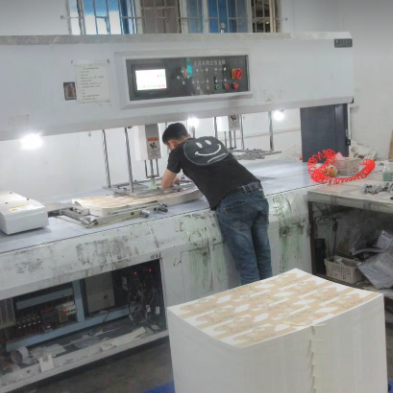
2. Ethics: A photo of the factory workers in Guangzhou (GooinPack) and our fair-wage certifications.
3. Path: The low-carbon shipping route taken to reach their city.
This "radical transparency" justifies a premium price point and builds a deep, emotional connection that a standard "Made in China" sticker never could.
5. Overcoming Implementation Hurdles
Implementing traceability at scale requires a shift in mindset.
Data Management
Collecting unit-level data generates a massive amount of information. Brands need to work with IT partners or use "SaaS for Traceability" platforms to manage the inflow of scan data.
Production Speed
Traditionally, unique printing slowed down production. However, at GooinPack our latest digital presses can print unique serialized codes at full production speed, ensuring that traceability doesn't lead to longer lead times for your custom orders.
6. Case Study: The Beauty Industry Leap
A niche skincare brand switched to UPI-integrated labels from **GooinPack**. Within six months, they:
- Reduced grey-market sales (unauthorized resellers) by 30% by tracking where their inventory was leaking.
- Increased consumer engagement by 400% through the "Scan for Origin" feature on their packaging.
- Successfully marketed themselves as the "World's Most Transparent Skincare Brand."
Conclusion: Knowledge is Power
In 2026, the supply chain is no longer a back-end logistics concern; it is a front-facing marketing asset. By giving your packaging a unique identity, you empower your customers with knowledge and protect your brand from the risks of a globalized world.
At GooinPack, we provide the printing technology and material expertise to turn your traceability goals into a physical reality. The future of packaging is known, tracked, and trusted.
Ready to secure your supply chain? [Contact us for a consultation] on serialized packaging solutions.
Holiday seasons represent the most significant packaging opportunity for brands worldwide. From Christmas and Valentine's Day to Eid, Diwali, and Lunar New Year, consumers expect gift-ready packaging that captures the spirit of the occasion while showcasing their products in the best possible light.
Custom gift box packaging transforms ordinary products into extraordinary presents. It creates anticipation, enhances perceived value, and generates shareable unboxing moments that extend brand reach far beyond the holiday season.
This guide explores creative gift box packaging ideas for every major holiday, helping brands maximize their seasonal impact.
Why Holiday Gift Packaging Matters
Emotional Connection
Holiday packaging taps into the emotions associated with giving and receiving. A beautifully designed gift box creates a sense of occasion, making the product feel special and thoughtful.
Increased Perceived Value
Premium gift packaging can increase a product's perceived value by 20-40%. Consumers are willing to pay more for products that arrive in beautiful, well-designed packaging — especially during holiday seasons.
Brand Differentiation
During peak shopping seasons, brands compete fiercely for consumer attention. Standout gift packaging helps your product catch the eye on crowded shelves and in social media feeds.
Social Media Amplification
Beautiful gift boxes generate user-generated content. Customers share unboxing experiences on Instagram, TikTok, and YouTube, providing free marketing that extends far beyond the initial sale.
Holiday Gift Box Ideas by Season
Christmas (December)
Christmas is the ultimate gift-giving season. Packaging should evoke warmth, tradition, and wonder.
Color Palette:
- Classic: Red, green, gold, and white
- Modern: Navy, silver, and ivory
- Rustic: Brown kraft, forest green, and pine
- Minimalist: All white with gold accents
Design Concepts:
1. Winter Wonderland: Snowflake die-cut patterns, frosted finish, and icy blue accents create a magical winter scene.
2. Classic Holiday: Deep red boxes with gold foil holly patterns, white ribbon ties, and a traditional feel.
3. Nordic Minimalist: Clean white boxes with simple geometric patterns in silver or pale blue. Scandinavian-inspired elegance.
4. Vintage Christmas: Kraft paper boxes with retro illustrations, sepia tones, and nostalgic typography.
5. Luxury Holiday: Black rigid boxes with gold foil snowflakes, velvet interior lining, and magnetic closure.
Special Features:
- Window cutouts showing product through frosted film
- Magnetic closure for premium feel
- Ribbon or twine tie for gift-ready presentation
- Wax seal stamp for traditional touch
- Holiday-themed interior printing
Valentine's Day (February)
Valentine's Day packaging should convey love, romance, and intimacy.
Color Palette:
- Traditional: Red, pink, and white
- Modern: Blush, rose gold, and cream
- Romantic: Burgundy, gold, and ivory
- Playful: Pastel pink, lavender, and mint
Design Concepts:
1. Heartfelt Romance: Deep red boxes with embossed hearts, satin ribbon, and gold foil hearts scattered across the surface.
2. Sweet and Simple: Pink boxes with minimalist line-art hearts, soft matte finish, and a single rose gold accent.
3. Vintage Love Letter: Cream-colored boxes styled to look like antique love letters, with wax seal and calligraphy-style typography.
4. Modern Minimalist: White boxes with a single red heart cutout, revealing the product inside. Clean and contemporary.
5. Luxury Romance: Black boxes with rose gold foil hearts, burgundy satin interior, and magnetic closure.
Special Features:
- Heart-shaped die-cut windows
- Rose petal printing on interior
- Love message cards included
- Magnetic closure for dramatic reveal
- Ribbon bow for instant gift-ready look
Easter (March/April)
Easter packaging celebrates renewal, spring, and family traditions.
Color Palette:
- Pastel: Baby pink, mint green, lavender, and yellow
- Spring: Bright coral, turquoise, and sunshine yellow
- Natural: Kraft paper with floral accents
- Classic: White with colorful egg patterns
Design Concepts:
1. Egg Hunt: Boxes decorated with colorful Easter egg patterns, pastel backgrounds, and spring florals.
2. Garden Party: Kraft paper boxes with botanical illustrations, watercolor flowers, and burlap ribbon ties.
3. Chick and Bloom: Playful designs featuring baby chicks, tulips, and daisies in cheerful pastel colors.
4. Spring Awakening: White boxes with watercolor wash effects, blooming flowers, and delicate gold foil accents.
Special Features:
- Egg-shaped die-cut windows
- Spring-themed interior printing
- Twisted paper handles in pastel colors
- Honeycomb paper wrap for cushioning
- Reusable boxes with spring motif
Mother's Day (May)
Mother's Day packaging should express gratitude, love, and appreciation.
Color Palette:
- Soft: Blush pink, sage green, and cream
- Elegant: Lavender, gold, and white
- Floral: Multi-color botanical patterns
- Classic: Red, white, and gold
Design Concepts:
1. Floral Bouquet: Boxes covered in watercolor floral patterns, tied with satin ribbon, and featuring a "Happy Mother's Day" message.
2. Elegant Simplicity: Cream boxes with gold foil "Mom" typography, soft-touch lamination, and minimalist design.
3. Memory Lane: Vintage-inspired designs with sepia-toned florals, lace patterns, and elegant script typography.
4. Modern Mom: Bold typography on clean backgrounds, geometric patterns, and contemporary color blocking.
Special Features:
- Tear-away sleeve revealing message underneath
- Photo frame cutout on the box
- Ribbon that doubles as a bracelet or hair tie
- Magnetic closure for luxury feel
- Interior message printed on lid
Father's Day (June)
Father's Day packaging tends toward masculine, sophisticated designs.
Color Palette:
- Classic: Navy, charcoal, and silver
- Earth: Brown, olive, and tan
- Modern: Black, gold, and white
- Bold: Deep red, black, and grey
Design Concepts:
1. Classic Gentleman: Navy blue boxes with silver geometric patterns, leather-look handles, and sophisticated typography.
2. Outdoor Adventure: Kraft paper boxes with topographic map patterns, olive green accents, and adventure-themed graphics.
3. Modern Dad: Black boxes with bold gold typography, minimalist design, and contemporary styling.
4. Heritage Style: Brown boxes with vintage badge designs, leather-look details, and classic serif typography.
Special Features:
- Tool-shaped die-cut patterns
- Engraved metal plate on box
- Magnetic closure with satisfying snap
- Leather-look ribbon
- Interior printing with dad jokes or quotes
Halloween (October)
Halloween packaging embraces the spooky, fun, and creative.
Color Palette:
- Classic: Orange, black, and purple
- Modern: Black with neon accents
- Natural: Brown kraft with orange and black
- Gothic: Deep red, black, and silver
Design Concepts:
1. Spooky Fun: Orange boxes with black pumpkins, bats, and ghosts. Playful and festive.
2. Dark Elegance: Black boxes with metallic orange and purple foil patterns. Sophisticated Halloween aesthetic.
3. Haunted House: Die-cut haunted house silhouettes, eerie green and orange color scheme, and fog effects.
4. Candy Corn: Tri-color design inspired by candy corn. Cheerful and instantly recognizable.
Special Features:
- Glow-in-the-dark ink
- Scratch-and-sniff elements
- Die-cut monster shapes
- Black interior revealing orange or green
- Interactive elements (pull tabs, sliding mechanisms)
anksgiving (November)
Thanksgiving packaging celebrates gratitude, harvest, and family.
Color Palette:
- Harvest: Orange, brown, gold, and burgundy
- Natural: Kraft paper with autumn leaves
- Elegant: Deep green, gold, and cream
- Warm: Terracotta, mustard, and rust
Design Concepts:
1. Harvest Festival: Kraft boxes with autumn leaf patterns, wheat stalks, and warm orange and brown tones.
2. Gratitude Theme: Cream boxes with gold foil "Thankful" typography and simple leaf motifs.
3. Farmhouse Chic: Rustic kraft paper with burlap ribbon, wooden handle details, and vintage typography.
4. Modern Harvest: Geometric leaf patterns in contemporary color palette. Clean and stylish.
Special Features:
- Corn husk or straw filling
- Maple leaf die-cut windows
- Twisted paper handles in autumn colors
- Interior printing with gratitude messages
- Reusable boxes for storage
Lunar New Year (January/February)
Lunar New Year packaging incorporates traditional Chinese cultural elements.
Color Palette:
- Traditional: Red and gold (auspicious colors)
- Modern: Red, black, and silver
- Elegant: Crimson, gold foil, and ivory
- Contemporary: Coral, gold, and white
Design Concepts:
1. Traditional Red: Deep red boxes with gold foil dragon and phoenix patterns, Chinese calligraphy, and auspicious symbols.
2. Modern Heritage: Red boxes with simplified geometric patterns combining traditional and contemporary aesthetics.
3. Lantern Festival: Boxes shaped like lanterns or featuring lantern illustrations with warm lighting effects.
4. Zodiac Edition: Annual zodiac animal designs in gold foil on red background. Collectible and timely.
Special Features:
- Gold coin patterns and red envelope inserts
- Magnetic closure with traditional knot detail
- Interior printing with lucky blessings
- Tassel or cord tie closure
- Rigid box for premium feel
Diwali (October/November)
Diwali, the Festival of Lights, calls for bright, celebratory packaging.
Color Palette:
- Traditional: Saffron, gold, and deep red
- Royal: Emerald green, gold, and magenta
- Modern: Multi-color with gold accents
- Elegant: White with gold and colored patterns
Design Concepts:
1. Festival of Lights: Gold diya (lamp) patterns on deep red or orange backgrounds. Intricate mandala designs.
2. Royal Indian: Emerald green boxes with gold paisley patterns, rich jewel tones, and ornate detailing.
3. Modern Diwali: Contemporary geometric patterns inspired by traditional rangoli designs. Clean lines with vibrant colors.
4. Elegant Minimalist: White boxes with gold foil rangoli patterns. Sophisticated and modern.
Special Features:
- Gold foil mandala patterns
- Embossed lotus flower designs
- Ribbon or cord closure with tassel
- Interior printing with festival greetings
- Rigid box for premium unboxing
Eid (Variable dates)
Eid packaging blends traditional Islamic art with modern design sensibilities.
Color Palette:
- Traditional: Green, gold, and white
- Modern: Navy, gold, and cream
- Elegant: Burgundy, gold, and ivory
- Fresh: Teal, gold, and white
Design Concepts:
1. Geometric Patterns: Islamic geometric patterns in gold on deep green or navy backgrounds. Intricate and beautiful.
2. Moon and Star: Crescent moon and star motifs with starry night backgrounds. Elegant and symbolic.
3. Calligraphy Art: Beautiful Arabic calligraphy of Eid greetings on clean, minimalist backgrounds.
4. Modern Fusion: Contemporary interpretation of traditional Islamic art patterns. Clean lines with rich colors.
Special Features:
- Gold foil geometric patterns
- Embossed crescent moon design
- Magnetic closure with traditional knot
- Interior printing with Eid blessings
- Rigid box for premium presentation
Gift Box Types and Structures
Magnetic Closure Boxes
The most popular choice for premium gift packaging:
- Lid and base with embedded magnets
- Satisfying snap-shut experience
- Reusable for storage
- Available in all sizes
- Multiple opening styles (standard, book-style, drawer)
Tuck-End Boxes
Cost-effective and widely used:
- Folding carton construction
- Easy assembly
- No additional hardware needed
- Good for smaller gifts
- Full-color printing on all surfaces
Drawer Boxes
Elegant sliding mechanism:
- Inner tray slides out of outer sleeve
- Dramatic reveal experience
- Premium feel
- Reusable for storage
- Multiple size options
Two-Piece Rigid Boxes
Ultra-premium construction:
- Separate lid and base (do not slide)
- Thick, sturdy construction
- Magnetic or friction closure
- Luxury presentation
- Highest cost option
Fold-Flat Boxes
Space-efficient and sustainable:
- Ships flat, assembled on-site
- Reduced storage and shipping costs
- Easy to stock
- Good for online retailers
- Can be pre-printed or blank
Customization Options for Gift Boxes
Materials
- Rigid Paper Board: Premium, sturdy construction
- Kraft Paper: Eco-friendly, rustic appeal
- Art Paper: Smooth surface for vibrant printing
- Specialty Papers: Textured, metallic, or holographic options
- Leatherette: Ultra-premium, luxurious feel
- Biodegradable Materials: Sustainable option
Printing
- Offset Printing: Best for large quantities, high quality
- Digital Printing: Ideal for short runs, quick turnaround
- Flexographic Printing: Cost-effective for simple designs
- Screen Printing: Thick ink layers, bold colors
Finishing
- Hot Foil Stamping: Gold, silver, copper, holographic
- Embossing/Debossing: Raised or recessed designs
- Spot UV: Glossy highlights on matte background
- Matte/Gloss Lamination: Protective coating
- Soft-Touch Coating: Velvety premium feel
- Edge Painting: Colored box edges for visual impact
Interior
- Custom Inserts: Foam, paper, or molded pulp
- Fabric Lining: Velvet, satin, or silk
- Printed Interior: Brand message or design
- Dividers: For multi-item gift sets
- Ribbon Loops: For product suspension
Design Tips for Holiday Gift Boxes
Tell a Story
Your gift box should tell a story that connects with the holiday theme. Whether it is a Christmas tale of warmth and togetherness or a Valentine's Day narrative of love and romance, the packaging should evoke the emotions associated with the occasion.
Create Anticipation
The unboxing experience should build anticipation. Consider:
- Layered opening (outer sleeve, then inner box)
- Tissue paper wrapping inside
- Gift tags or cards
- Scented packaging
- Sound elements (rustling tissue, satisfying magnetic snap)
Balance Tradition and Innovation
While holiday themes are important, avoid cliches that make your brand look generic. Find ways to incorporate traditional elements in fresh, unexpected ways that still feel authentically yours.
Consider the Entire Experience
Gift packaging extends beyond the box:
- Outer shipping packaging
- Tissue paper and fillers
- Gift tags and cards
- Ribbons and ties
- Thank you notes
Plan Ahead
Holiday packaging requires early planning:
- Start design 3-4 months before the holiday
- Order samples for testing
- Account for production and shipping lead times
- Have backup plans for supply chain disruptions
- Coordinate with marketing campaigns
Production Timeline
4 Months Before Holiday
- Concept development and design brief
- Material and structure selection
- Initial design mockups
3 Months Before
- Finalize design and artwork
- Order and approve samples
- Place production order
2 Months Before
- Production begins
- Quality inspections
- Packaging preparation
1 Month Before
- Finished goods ready
- Shipping to warehouses or customers
- Marketing materials aligned
Pricing Guide
Factors Affecting Cost
- Quantity: Larger orders reduce per-unit cost
- Material: Rigid boxes cost more than folding cartons
- Printing: More colors and special effects increase cost
- Finishing: Foil, embossing, and UV add expense
- Interior: Custom inserts and lining add cost
- Timeline: Rush orders carry premium pricing
Typical Price Ranges (per box)
- Simple tuck-end box: $0.50-$2.00
- Standard rigid magnetic box: $2.00-$5.00
- Premium rigid box with finishing: $5.00-$12.00
- Luxury box with interior lining: $8.00-$20.00+
Ordering Information
MOQ: Starting from 100 pieces for digital printing, 500 pieces for offset printing.
Lead Time: 15-25 working days for holiday orders (plan early!).
Design Support: Free professional design assistance for holiday themes.
Samples: Physical samples available for approval before mass production.
Why Choose GuangZhou Guyin Packaging?
For holiday gift box packaging, we offer:
- Holiday Expertise: Years of experience with seasonal packaging
- Complete Solutions: Design, production, and delivery under one roof
- Material Variety: Options from eco-friendly kraft to luxury rigid boxes
- Finishing Suite: All premium finishing techniques available
- Quality Assurance: Rigorous inspection at every stage
- Early Booking Discount: Special pricing for orders placed 3+ months in advance
- Reliable Delivery: On-time guarantee for holiday deadlines
Conclusion
Holiday gift box packaging is one of the most powerful tools in a brand's seasonal marketing arsenal. A well-designed gift box does more than protect your product — it creates an emotional connection, tells your brand story, and generates shareable moments that extend your reach far beyond the holiday season.
By planning early, choosing the right materials and finishes, and working with an experienced manufacturer, you can create holiday packaging that captivates your customers and drives seasonal sales. Remember, the best gift packaging doesn't just wrap a product — it wraps an experience.
At GuangZhou Guyin Packaging, we specialize in creating memorable gift box packaging for every holiday and occasion. Let us help you make this holiday season your most beautiful yet.
GuangZhou Guyin Packaging Co., Ltd. specializes in custom magnetic boxes, premium perfume packaging, waterproof stickers, eco paper bags, business cards, poker cards, and wrapping paper. Get a quote in 30 minutes or request a free physical sample.